
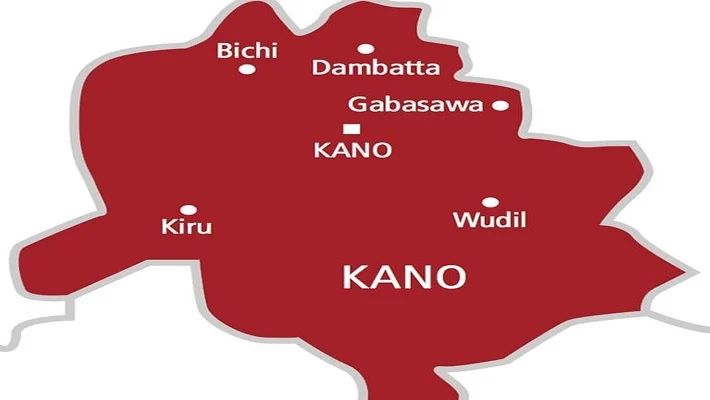
The Kano State Government has unveiled plans to train at least 50,000 youths in various skills acquisition programmes across the state in 2026 as part of a strategic effort to curb unemployment and promote economic self‑reliance among young people.
The announcement reflects growing emphasis by Governor Abba Kabir Yusuf’s administration on youth empowerment, job creation, and workforce development in one of Nigeria’s most populous urban regions.
This large‑scale initiative is expected to expand opportunities and equip participants with practical competencies tailored to the evolving labour market.
Youth unemployment remains a critical challenge in Nigeria’s urban and peri‑urban areas, with many young people lacking access to gainful employment due to skills mismatches and limited opportunities in formal sectors.
Governments at different levels have increasingly turned to skills training as a strategy to stimulate entrepreneurship, enhance employability, and reduce economic exclusion among youths.
Initiatives such as Kano’s latest programme complement broader national and state efforts to tackle unemployment through vocational training, digital literacy, and business development support.
Governor Yusuf’s administration has already made strides in youth empowerment, including the recent distribution of vocational tools and equipment to beneficiaries who have completed earlier training cycles. Such programmes demonstrate an ongoing commitment to building human capital and fostering self‑reliance.
Under the new 2026 initiative, no fewer than 50,000 youths will be enrolled in skills acquisition programmes designed to provide practical training in trades and professions relevant to the state’s economic priorities.
The specific skill areas, training partners, and modalities were not detailed in the initial announcement, but state officials have indicated that the programme will leverage existing vocational centres and potentially introduce new partnerships to scale reach.
This follows recent efforts by the governor to revive vocational and entrepreneurial training institutions that had previously languished, enabling thousands of young people to receive tools, starter kits, and vocational certification in disciplines ranging from agribusiness and crafts to technical services and modern trades.
The planned training of 50,000 youths in Kano holds significant implications for the state’s economy and social stability.
For young residents, access to skills acquisition can unlock pathways to employment, entrepreneurship, and income generation, reducing dependence on formal sector jobs that are limited in supply.
Urban small‑business ecosystems may benefit as newly trained individuals establish micro‑enterprises in services, manufacturing, digital services, and agribusiness, bolstering local economic activity.
For policymakers and stakeholders, the scale of the initiative underscores the importance of aligning training with market needs and ensuring that certification leads to meaningful employment outcomes.
Strengthened linkages between training programmes, industry players, and financial services could amplify impacts by fostering job placement, business financing, and mentorship opportunities for participants. Additionally, robust monitoring and evaluation mechanisms can help track progress, refine programme delivery, and maximise long‑term benefits for beneficiaries and the wider economy.
Kano State’s announcement to train 50,000 youths in skills acquisition programmes in 2026 represents a bold investment in human capital aimed at addressing unemployment and building economic resilience.
By equipping young people with practical skills and empowering them to participate actively in the labour market, the initiative has the potential to catalyse entrepreneurship, stimulate job creation, and enhance self‑reliance among a generation seeking opportunity.
For youth and community stakeholders, engagement with such programmes can be a transformative step toward sustainable livelihoods and shared economic growth.