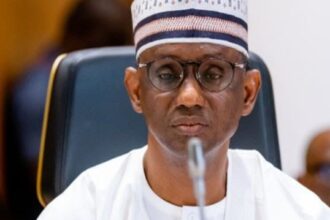
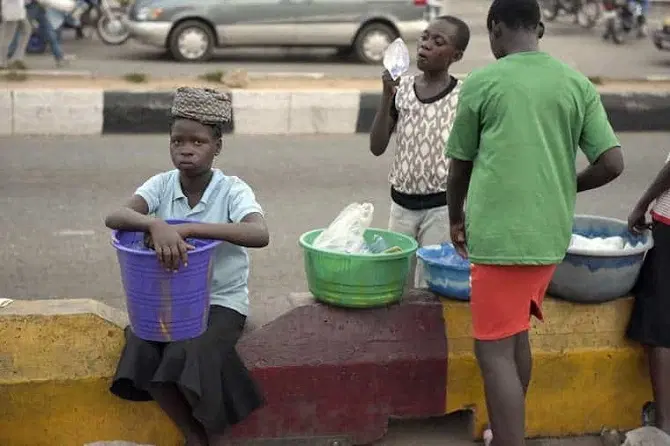
Out of school children remain a major concern as the Federal Government revealed that about 15 million Nigerian children are currently not enrolled in school. The disclosure highlights a growing education gap across the country. The situation reflects structural challenges in access to basic education. Authorities warn that urgent intervention is required to reverse the trend.
Nigeria has one of the highest numbers of out of school children globally. The issue has persisted despite multiple government and international interventions. Factors contributing to the out of school children crisis include poverty, insecurity, and inadequate school infrastructure. Rural and conflict-affected regions are most impacted.
Education remains a critical driver of economic growth and social development. Limited access to schooling affects long-term productivity and national stability. The Federal Government has previously introduced policies aimed at improving enrollment. However, implementation challenges have slowed progress.
The Federal Government disclosed that about 15 million children are currently out of school across Nigeria. This figure underscores the scale of the out of school children challenge.
Officials noted that insecurity in parts of the country has forced many children out of classrooms. School closures and displacement have contributed to declining enrollment rates. The government also identified poverty as a major barrier to education. Many families struggle to afford school-related expenses.
Authorities stressed the need for coordinated action involving federal and state governments. They also called for support from development partners and communities. Efforts to address the issue include expanding access to basic education and improving school infrastructure.
The out of school children crisis has significant implications for Nigeria’s future workforce. Limited access to education reduces skill development and employability. For urban economies, the long-term effects include reduced productivity and increased inequality. Businesses may face challenges in sourcing skilled labour.
For communities, the lack of education increases vulnerability to social issues such as crime and unemployment. The situation also affects Nigeria’s ability to meet global development goals related to education and poverty reduction.