
The Bloggers arrest followed the circulation of an online report alleging marital issues involving Tony Elumelu, Chairman of United Bank for Africa. The claim spread quickly across social media platforms before being publicly dismissed.
UBA described the report as false and misleading, stating that it had no factual basis. The institution said the information was capable of damaging reputations and misleading the public. It subsequently involved law enforcement authorities in the matter. The incident reflects growing tension between digital content creation and defamation laws in Nigeria. Online platforms allow rapid information sharing but also increase the risk of unverified claims spreading widely.
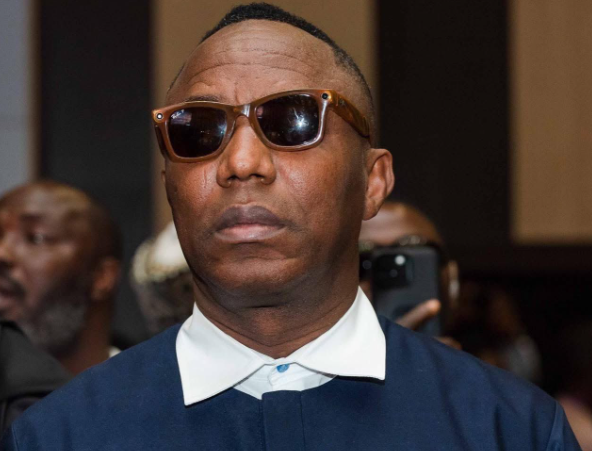
Reacting to the Bloggers arrest, Sowore described the detention of the individuals as unjustified. He identified them as Kingsley Akunemeihe, Chigozie Success Ihebom, and John Surpruchi Nwanorue.
Sowore argued that publishing or circulating claims about a public figure’s personal life should not be treated as a criminal offence. He maintained that such matters fall under civil jurisdiction rather than police action. UBA confirmed that the report was false and described it as “fabricated, reckless, and malicious.” The bank said the claims were capable of harming reputations and misleading the public.
The institution also confirmed that individuals linked to the creation and dissemination of the content were arrested. It warned that further spread of false information could attract legal consequences. The Bloggers arrest has since drawn wider public attention, with stakeholders divided over the appropriate legal response to online misinformation.
The Bloggers arrest raises broader concerns about freedom of expression and digital regulation in Nigeria. It highlights the challenge of balancing reputation protection with press freedom. For content creators and journalists, the incident reinforces the importance of verifying information before publication. It also reflects increasing legal scrutiny of online publications.
For institutions, the case underscores the need for rapid response mechanisms to counter misinformation. Public clarification and legal recourse are becoming common tools. In the wider media landscape, the development adds to ongoing debates about cybercrime laws and their enforcement. It also raises questions about proportionality in handling digital defamation cases.