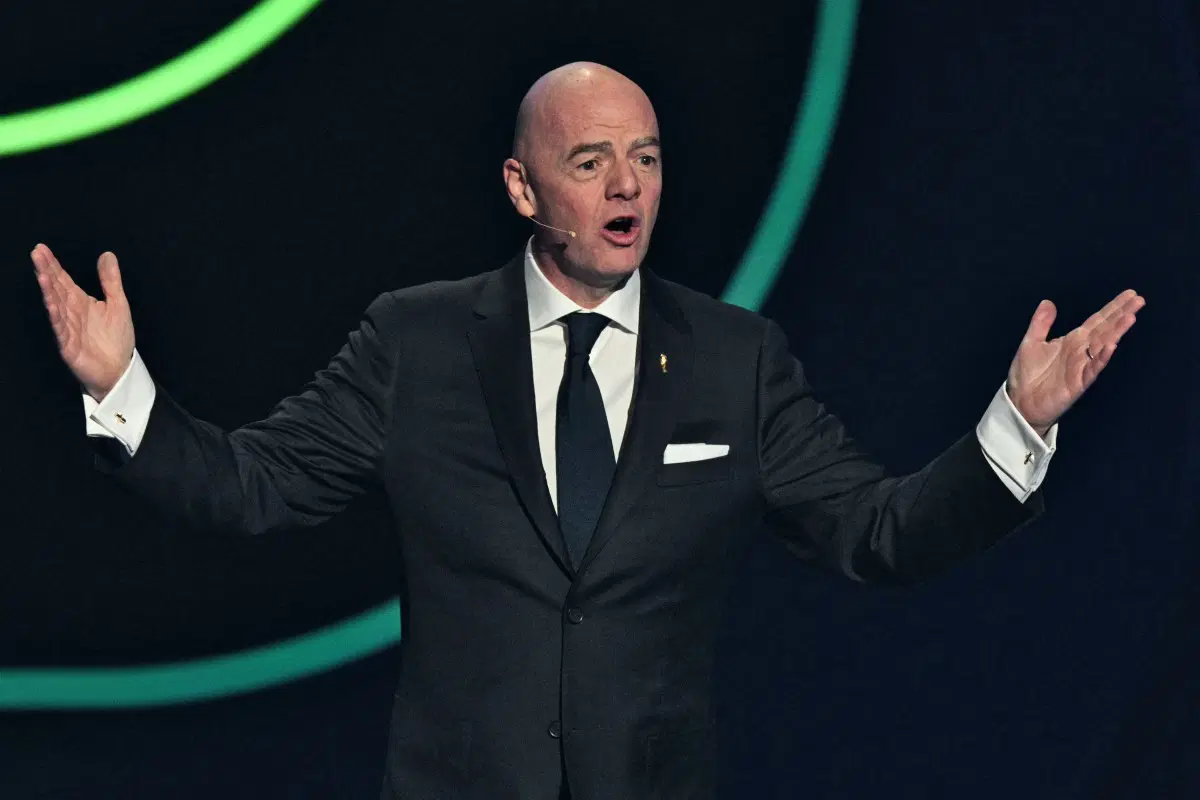
FIFA President Gianni Infantino has addressed concerns over the pricing of tickets for the upcoming World Cup, attributing the elevated costs to unprecedented global demand. Speaking during a press briefing in Zurich, Infantino highlighted that the surge in ticket applications far exceeded stadium capacities in all host cities, creating pressure on allocation systems.
According to Infantino, ticket prices reflect operational requirements including stadium maintenance, security arrangements, fan services, and logistical planning for one of the world’s largest sporting events. He emphasised that despite criticism, the pricing structure aims to balance accessibility with the sustainability of hosting a globally significant tournament.
Historically, FIFA’s World Cup ticketing has been influenced by host country economics, infrastructure capabilities, and fan interest. This year, the organisation observed record-breaking demand, with millions of applications received within hours of release. Infantino noted that priority allocations have been designed to give local residents, youth supporters, and registered fans a fair opportunity to participate.
For Nigeria and other African nations, the pricing debate has sparked discussions on affordability and international sports engagement. Youth communities, sports clubs, and urban fans are monitoring ticket distribution closely, reflecting broader engagement with global football culture. Local football associations are coordinating information campaigns to guide supporters through application processes.
The situation underscores the commercialisation of football worldwide and highlights the challenges of making international sporting events both inclusive and financially viable. Infantino stressed that digital ticketing platforms and tiered packages are intended to mitigate exclusivity, ensuring that fans at different income levels can attend matches.
The implications extend beyond football, offering lessons in strategic planning, event management, and market-responsive pricing. Nigerian businesses involved in sports tourism, hospitality, and merchandising may also be affected, as high-profile tournaments can stimulate urban economies through travel, accommodation, and fan activities.
As FIFA prepares for the tournament, the organisation continues to refine ticket allocation mechanisms and fan engagement strategies. Infantino’s explanation emphasises transparency and proactive management, critical factors for sustaining trust among supporters and stakeholders.
For young urban audiences, this development demonstrates how global sports events intersect with cultural participation and economic opportunity. Properly managed ticketing and communication can enhance fan experience while promoting fair access and operational sustainability.
FIFA’s approach serves as a reference point for sports administrators in Nigeria, highlighting the balance required between generating revenue and maintaining broad fan participation. As global enthusiasm for football grows, stakeholders are urged to collaborate effectively to ensure equitable access while supporting the long-term viability of major sporting events.