
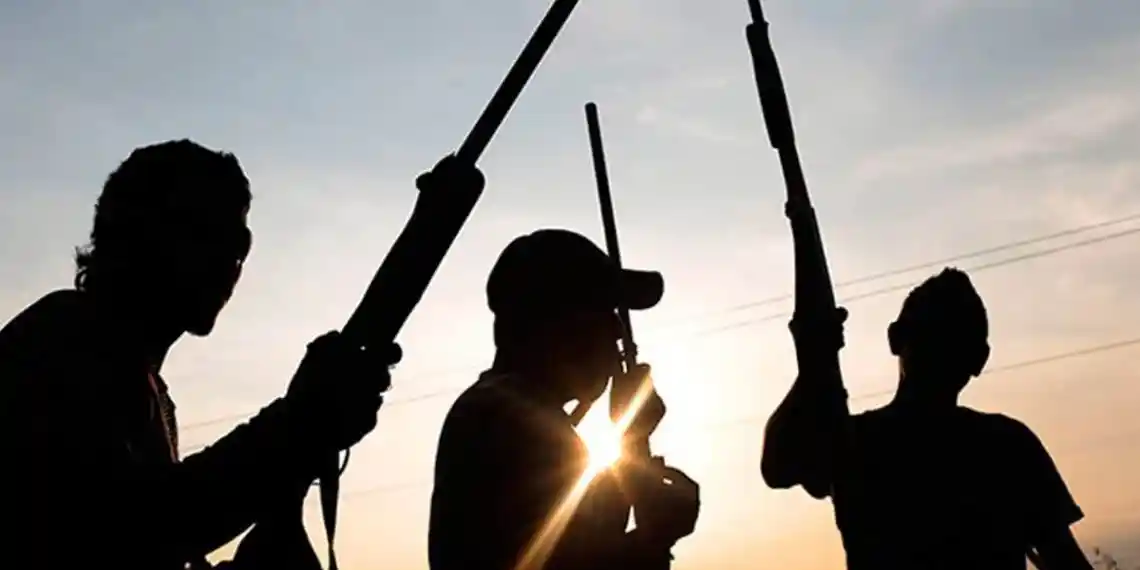
At least seven people were killed in a violent attack on a community in Plateau State on New Year’s Eve, according to security sources and local authorities. The incident, which occurred in the late hours of December 31, has renewed concerns about safety, community resilience, and the broader impact of insecurity on economic activity in the North Central region.
Reports indicate that armed assailants invaded the affected area under the cover of darkness, targeting residents and leaving several others injured. Security agencies were later deployed to restore order, while investigations were launched to identify those responsible. The attack adds to a series of security challenges that have disrupted daily life in parts of Plateau State.
Beyond the immediate human toll, such incidents carry significant implications for urban growth and local economies. Communities affected by violence often experience reduced commercial activity, disrupted transport routes, and declining investor confidence. Small businesses, traders, and service providers face interruptions that limit income and weaken local supply chains.
Plateau State occupies a strategic position connecting several northern and central markets. Repeated security incidents along these corridors affect not only residents but also logistics operators, agricultural traders, and entrepreneurs who rely on safe movement of goods and people. For urban centres like Jos, sustained insecurity can slow tourism, hospitality, and creative industries that depend on visitor inflow.
Local leaders and civil society groups have called for strengthened security presence and improved intelligence gathering. Analysts note that sustainable safety goes beyond reactive deployments and requires long term investment in community engagement, early warning systems, and conflict resolution mechanisms. For young people, particularly those engaged in informal trade and gig work, stability is essential for consistent income and personal safety.
The economic cost of insecurity is often understated. Businesses operating in affected regions may increase spending on private security, adjust operating hours, or relocate entirely. These adjustments raise costs and reduce competitiveness, ultimately affecting employment opportunities. In urban Nigeria, where youth unemployment remains a pressing issue, security challenges further complicate economic inclusion.
From a policy perspective, the incident underscores the need for coordinated action between federal and state authorities. Improved funding for policing, better equipment, and clearer accountability structures are frequently cited as necessary steps. There is also growing interest in leveraging technology, such as surveillance systems and data driven policing, to enhance response capacity.
Community leaders in Plateau State have emphasised the importance of rebuilding trust and ensuring that residents feel protected. Social cohesion plays a critical role in economic recovery after violent incidents. Markets, schools, and transport systems rely on confidence in public safety to function effectively.
As investigations continue, the focus will be on preventing further attacks and restoring normalcy. For businesses, entrepreneurs, and households in Plateau State, improved security remains central to sustaining livelihoods and attracting investment. The tragedy serves as a reminder that safety is not only a humanitarian concern but a foundational element of urban development and economic progress.