
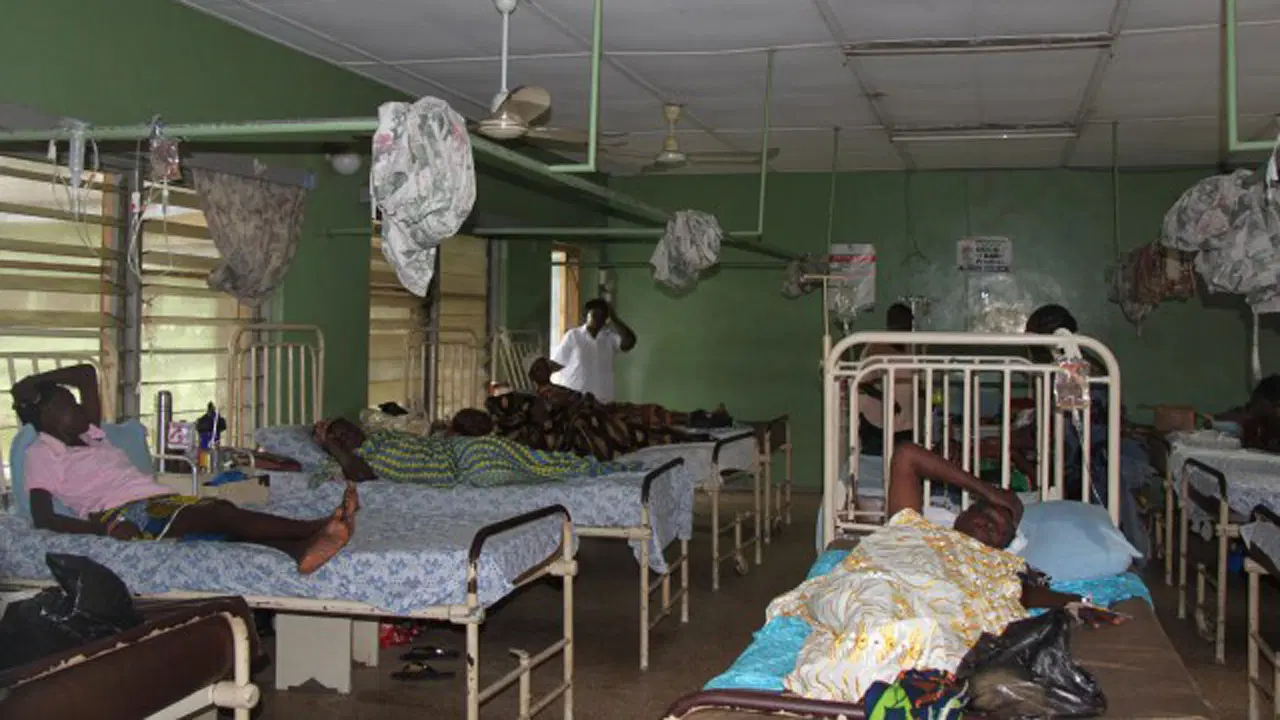

Patients and healthcare workers in major Nigerian cities are confronting mounting anxiety as teaching hospitals prepare for a potential indefinite strike by the National Association of Resident Doctors (NARD) beginning January 12, 2026.
The looming industrial action has triggered panic among in-patients and out-patients who fear disrupted services and compromised care across tertiary health institutions. The standoff reflects deepening strains in Nigeria’s health sector and raises critical concerns about access to medical services in urban centres.
Nigeria’s teaching hospitals are key pillars of healthcare delivery in urban areas, providing specialised, emergency, and routine medical services to millions.
Over recent months, these institutions have been under strain amid ongoing industrial actions by healthcare unions, including the Joint Health Sector Union (JOHESU), which has previously disrupted operations in facilities nationwide.
The latest tension centres on NARD’s planned “total, indefinite strike” from January 12, which doctors say is necessary due to the federal government’s failure to implement agreed welfare and professional demands outlined in a November 2025 Memorandum of Understanding.
As the strike deadline approaches, hospital wards from Lagos State University Teaching Hospital, LASUTH, to Lagos University Teaching Hospital, LUTH, and the Federal Medical Centre, Ebute Metta, are reporting early effects. Patients are being rushed through consultations, called in early for reviews, or discharged prematurely to avoid being caught in a potential service blackout.
Relatives of patients have expressed alarm. “We have been waiting for surgery for weeks, and now we hear doctors may not be available,” said Mrs. Patience Adebayo, whose mother is admitted at LUTH. “Every minute counts, and seeing her waiting in pain is terrifying.”
NARD blames the federal government for partial or delayed implementation of agreements on salary arrears, allowances, and welfare enhancements. The government counters that key issues remain under review and structural in nature, according to Dr. Iziaq Salako, Minister of State for Health and Social Welfare.
The potential strike has gripped urban healthcare systems, where demand for medical services is high and alternatives are limited. A prolonged absence of resident doctors — who make up roughly 60 percent of staffing at tertiary hospitals — could significantly reduce access to emergency care, surgeries, specialist consultations, and other critical services.
For patients, especially those with chronic conditions or awaiting elective procedures, disrupted care could worsen health outcomes and increase reliance on costly private facilities or informal providers.
Families juggling jobs and caregiving responsibilities may face deeper financial and emotional stresses as they seek alternatives amid uncertainty.
The standoff also highlights broader workforce challenges in Nigeria’s health sector, where strikes have repeatedly exposed systemic gaps in staffing, remuneration, and working conditions. These issues have implications for public confidence, government credibility, and long-term health system resilience.
The looming showdown between resident doctors and the federal government underscores pressing structural challenges in Nigeria’s health sector, with patients caught in the crossfire.
Policymakers and health sector stakeholders must prioritise transparent negotiations, accelerate implementation of agreed reforms, and strengthen mechanisms for dispute resolution to prevent paralysis of critical health services.
Urban communities and health advocates will be watching closely as events unfold, seeking assurances that essential care will continue and meaningful improvements to working conditions and service delivery are realised.