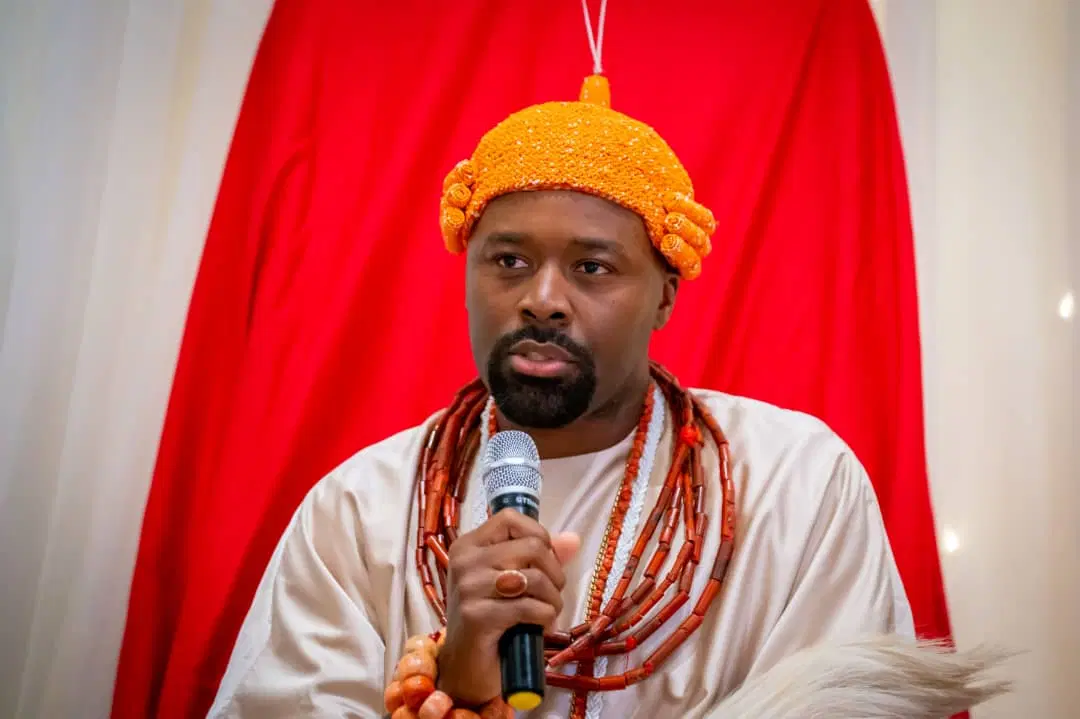
The Olu of Warri, His Majesty Ogiame Atuwatse III, has urged international oil companies operating in the Niger Delta to prioritise development in Itsekiri host communities, citing persistent neglect and underdevelopment despite decades of oil revenue generation.
Speaking in Warri North Local Government Area of Delta State, the traditional ruler expressed deep concern over poverty and infrastructure deficits that continue to afflict oil‑bearing areas. The monarch said the Warri Palace would take a firm stance to ensure fair development and empowerment for Itsekiri communities.
Itsekiri communities in Delta State form part of Nigeria’s core oil‑producing regions, contributing significantly to national revenue through hydrocarbon extraction.
Despite this role, local residents and traditional leaders have long criticised multinational oil firms and regulatory regimes for failing to deliver adequate infrastructure, social services, and economic opportunities.
Prior calls from Itsekiri groups have highlighted gaps in employment, community development trust funding, and basic amenities such as health care and potable water.
Historically, tensions over resource allocation and community inclusion have been reported across oil‑producing regions. Local bodies such as the Ugborodo Community Management Committee have issued ultimatums to oil firms over host community development trust implementation, signalling broader regional impatience with stalled progress.
During visits to several Itsekiri oil and gas producing areas, Ogiame Atuwatse III lamented that oil‑rich communities remain impoverished despite decades of exploration.
He reaffirmed the traditional institution’s commitment to advocating for equitable development and empowerment programmes that reflect the significant contributions of Itsekiri lands to Nigeria’s economy.
The monarch’s call aligns with broader local sentiments about the disconnect between resource wealth and community wellbeing. Critics argue that multinational operations often prioritise production over host community investment, leaving behind environmental degradation and limited socio‑economic progress.
Community youth organisations and other local voices have previously echoed such concerns, emphasising the need for job opportunities, infrastructure projects, and transparent governance in development trust funds.
For urban centres like Warri and surrounding towns, the intensified advocacy by the Olu of Warri could reshape discussions on corporate social responsibility and host community engagement.
Improved development outcomes would likely boost local economic activity, support small business growth, and enhance quality of life for residents, addressing long‑standing urban‑rural disparities.
Conversely, failure to respond adequately risks deepening social tensions and potential disruptions to oil operations, which can affect investor confidence and regional stability.
Local entrepreneurs and service providers may find opportunities in expanded infrastructure and community projects if oil firms align with the monarch’s calls.
Transparent and accountable deployment of development funds could also attract further private and public investment, diversifying economic prospects beyond oil extraction.
Ogiame Atuwatse III’s public appeal to oil companies highlights enduring challenges in translating Nigeria’s natural resource wealth into tangible community benefits for Itsekiri host populations.
The monarch’s stance underscores the critical need for meaningful corporate engagement, equitable development funding, and collaborative frameworks that empower local communities.
For policymakers, oil firms, and civic groups, this moment presents an opportunity to strengthen partnerships that deliver sustained economic and social gains for oil‑producing regions and support broader urban and regional development goals.