
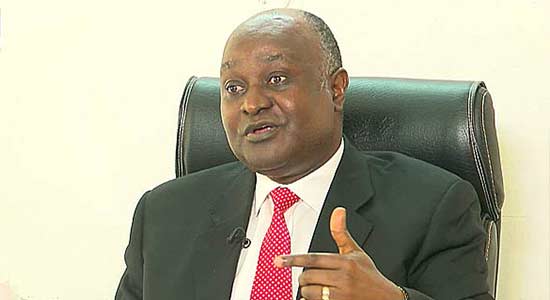
Former Central Bank of Nigeria (CBN) Deputy Governor Tunde Lemo says that his appointment as Managing Director of Wema Bank at age 41 fundamentally shaped his leadership ethos and banking perspective.
In an exclusive interview, Lemo reflected on that early leadership milestone and its enduring influence on his approach to financial sector stability, institutional reform, and economic development. His insights add depth to conversations about leadership, banking evolution, and Nigeria’s economic future.
Tunde Lemo, known for his significant roles across Nigeria’s banking and regulatory sectors, served as Managing Director of Wema Bank before moving on to become Deputy Governor of the Central Bank of Nigeria.
The Wema Bank tenure came when the then‑nascent bank was undergoing strategic transformation, confronting modest profits and low market visibility.
Lemo later became Deputy Governor, tasked with advancing financial stability and sector consolidation, reflecting a continuum of leadership experience that began at Wema Bank.
Wema Bank itself has recently drawn attention in the banking industry for meeting the Central Bank’s recapitalisation requirements and enhancing its competitive capital base, illustrating the growing relevance of robust leadership in banking.
In the interview, Lemo said that taking the helm at Wema Bank “marked the beginning of the bank’s turnaround,” noting that when he assumed leadership the bank was reporting modest annual profits.
He recalled that within his first year, earnings rose from about N300 million to N800 million, and within three years the bank was generating over N2 billion. These results, he said, demonstrated that strong leadership and clear strategic focus could rapidly change an institution’s trajectory.
Lemo further linked his experience at Wema Bank to broader achievements during his subsequent tenure at the CBN, including his involvement in the banking sector consolidation exercise that reduced the number of commercial banks in Nigeria, and the overhaul of payment systems to shorten clearing times significantly.
He noted that these sector reforms required sustained focus on stability and resilience, themes he carried from his earlier career.
The former deputy governor also spoke about ongoing challenges and reform needs in Nigeria’s banking sector, advocating continued emphasis on strong capitalisation, risk management, and technological innovation to support economic growth and resilience.
Lemo’s reflections underscore the importance of early leadership opportunities in shaping long‑term strategic vision for financial sector leaders.
For current and aspiring banking executives in urban Nigerian markets, his journey highlights how taking on substantial responsibility early can refine decision‑making skills, crisis management capabilities, and organisational foresight.
In the broader context of Nigeria’s financial industry, his insights may reinforce calls for leadership development programmes, mentorship frameworks, and succession planning within banks and regulatory institutions.
A culture that cultivates strong leadership at mid‑career stages could support more resilient institutions and foster innovation in banking services that meet the needs of businesses and consumers alike.
Tunde Lemo’s account of how becoming Wema Bank’s Managing Director at 41 shaped his leadership philosophy offers valuable lessons for Nigeria’s banking sector and beyond.
His experience suggests that strategic leadership rooted in performance improvement can yield lasting impact on organisational culture and industry evolution.
As Nigeria’s financial system continues to navigate regulatory reforms, digital transformation, and global competition, the conversation about developing leaders equipped to manage complexity remains highly relevant.