
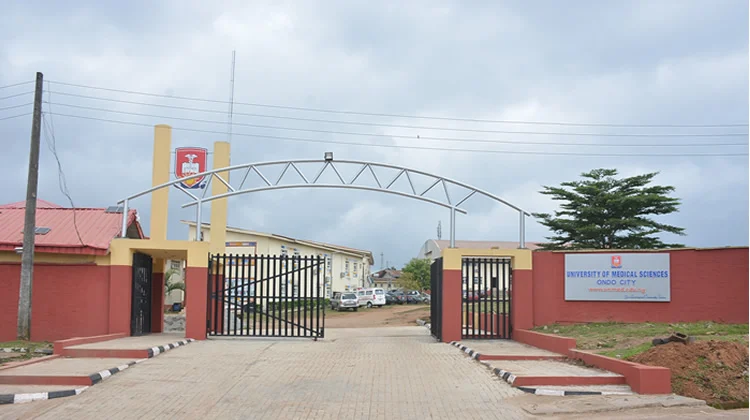
Newly recruited academic and non‑academic staff at the University of Medical Sciences, Ondo, have not received salaries since they started work nine months ago, prompting appeals to the Ondo State Government for urgent intervention.
The affected workers, employed in February and March 2025, say they have fulfilled their duties without pay, exacerbating financial hardship for families and households. The dispute highlights ongoing administrative challenges within the institution and calls for prompt resolution from state authorities.
The University of Medical Sciences, Ondo (UNIMED), established to expand medical education and healthcare delivery in Ondo State, recruits both academic and support staff to deliver teaching, research, and clinical services.
However, the new cohort of staff — appointed by the state government — say they have yet to be paid despite being given appointment letters, official duties, and inclusion in state staff audits. This situation reflects broader concerns over pay administration and institutional governance in some public tertiary institutions.
Affected workers report recruitment dates spanning February and March 2025, yet none has seen a single salary payment since joining the university.
Staff members who spoke to correspondents detailed how they began work, received official email addresses, and were integrated into institutional operations without remuneration, increasing stress during a period of economic pressure for households in urban and peri‑urban communities.
One unnamed staff member said, “We are suffering. We have not been paid our salaries since we got the appointments,” noting that some colleagues struggle to meet basic necessities. They emphasised that their appointments were legitimate, followed due process, and that they have been actively contributing to the university’s functions despite the lack of financial compensation.
Another recruit attributed the non‑payment to an ongoing conflict between the institution’s previous leaderships, suggesting an internal “cold war” has delayed payroll processing. The unresolved dispute has persisted despite the staff’s attempts to escalate the issue through official channels.
In response to inquiries, Ondo State Commissioner for Education, Science and Technology Igbekele Ajibefun acknowledged the problem and assured that efforts are underway to address the unpaid salaries, stating the issue “has been completely resolved” and that employees would soon be paid.
Extended non‑payment of salaries can undermine workforce morale, reduce productivity, and jeopardise the quality of educational services in institutions like UNIMED.
Staff without regular income may struggle to support their families, meet rent obligations, or afford transportation and basic goods — pressures that are especially acute in urban Nigeria’s high‑cost environment.
For the university, unresolved wage issues could hinder recruitment and retention of qualified personnel and tarnish its reputation among prospective staff and students. Persistent administrative disputes risk distracting from the institution’s core mission of advancing medical education and healthcare training.
State policymakers and university authorities will need to ensure that payroll systems, leadership transitions, and employee records are managed transparently and efficiently to prevent similar disruptions in the future.
Clear communication and accountability mechanisms can help restore trust among staff and stabilise institutional operations.
The prolonged absence of salary payments for new UNIMED recruits underscores the human impact of administrative breakdowns amid Nigeria’s broader economic challenges.
As the government moves to implement promised remedies, affected workers and stakeholders will be watching closely to ensure that compensation is delivered and that structural changes are made to safeguard staff welfare and institutional integrity.