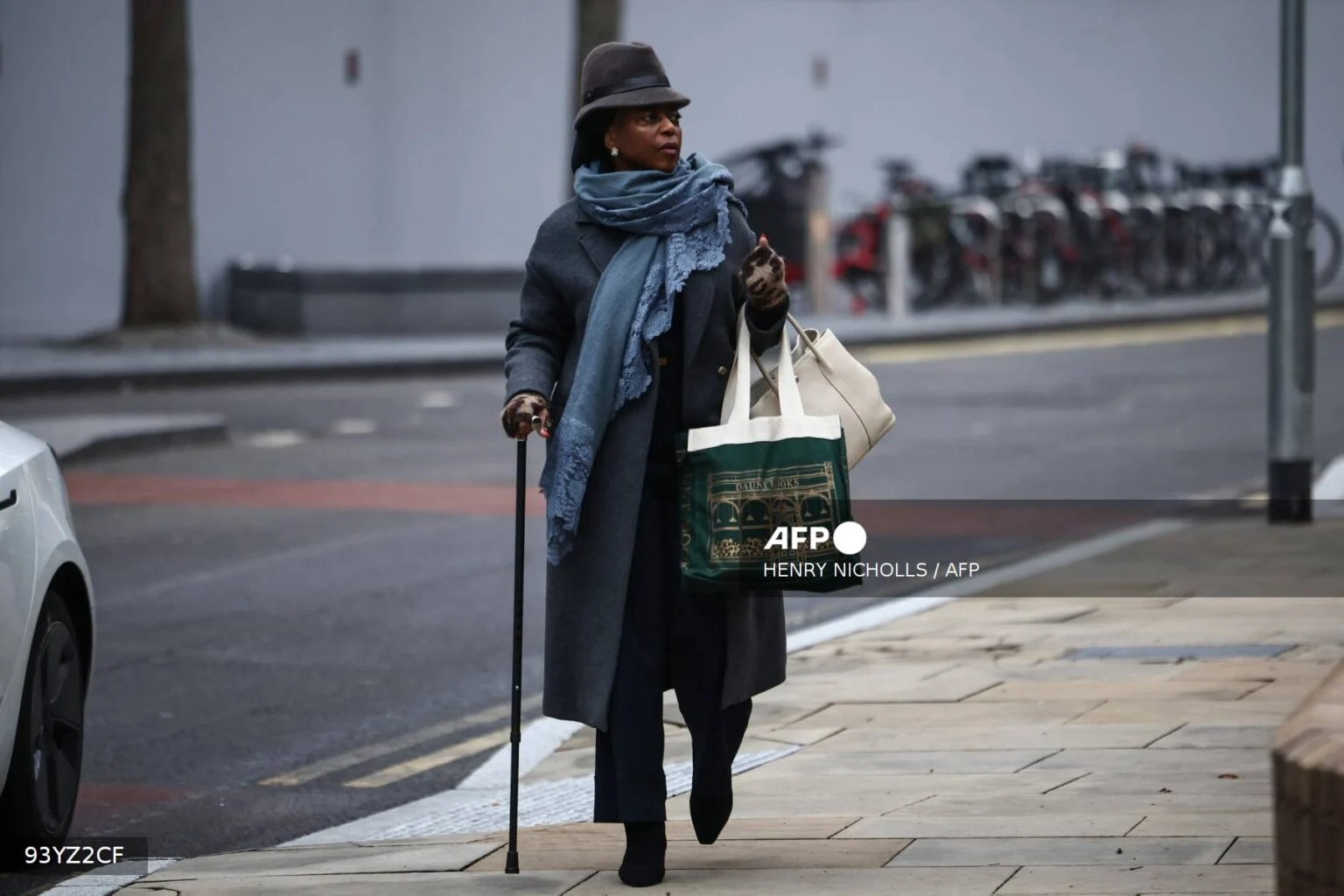
Former Nigerian petroleum minister Diezani Alison-Madueke has denied all bribery and conspiracy charges as her high-profile trial begins at Southwark Crown Court in London, United Kingdom.
The 65-year-old appeared in court on Tuesday, January 27, 2026, facing allegations linked to her tenure as Nigeria’s minister for petroleum resources between 2010 and 2015 under then-President Goodluck Jonathan.
Prosecutors have accused Alison-Madueke of accepting a series of “financial or other advantages” from individuals with interests in securing lucrative oil and gas contracts with Nigerian state-owned entities.
These alleged benefits included cash, luxury goods, chauffeur-driven vehicles, private jet travel and access to high-end properties, which British authorities say constituted improper performance of her official duties.
Diezani Alison-Madueke served as Nigeria’s first female minister of petroleum resources and was briefly president of the Organisation of the Petroleum Exporting Countries (OPEC). Her trial, widely reported as a major corruption case involving a former Nigerian energy official, stems from charges filed by the United Kingdom’s National Crime Agency (NCA) in 2023.
The indictment includes five counts of accepting bribes and one count of conspiracy to commit bribery dating from 2011 to 2015.
Two co-accused are also involved in the case. Olatimbo Ayinde, an oil industry executive, faces bribery charges related to the alleged scheme. Doye Agama, Alison-Madueke’s brother and a former archbishop, is charged with conspiracy to commit bribery. Both defendants have entered pleas of not guilty.
In court, Alison-Madueke denied all charges, maintaining her innocence as the proceedings commenced. Her legal defence emphasises that she rejects the prosecution’s allegations and will contest them throughout the trial, which is expected to run for several weeks.
The prosecution’s case outlines claims that she received significant financial and material benefits from individuals associated with Atlantic Energy and SPOG Petrochemical, companies that reportedly secured contracts with the Nigerian National Petroleum Corporation (NNPC) or its subsidiaries.
British prosecutors described such benefits as “financial or other advantages” that should never have been accepted by a public official in her position.
The trial of Alison-Madueke has drawn wide attention given Nigeria’s ongoing challenges with corruption in the oil sector.
The accusations against a former top energy official reflect broader public concerns about governance, transparency and the role of public office holders in awarding government contracts.
Analysts say the case could influence future demands for accountability and reforms within Nigeria’s petroleum and public procurement systems.
For urban stakeholders, investors and business leaders, high-profile corruption trials involving national figures highlight the importance of robust regulatory frameworks and ethical governance practices.
Strengthening institutional oversight remains critical to building investor confidence and ensuring competitive, transparent markets in Nigeria’s energy sector.
As Diezani Alison-Madueke’s trial unfolds in London, the world watches a complex legal confrontation that touches on corruption, governance and international justice.
Her denial of all charges sets the stage for a protracted legal battle that could carry implications for Nigeria’s political reputation and its efforts to tackle corruption in strategic industries.