The Nigerian Senate has scheduled an emergency plenary sitting on Tuesday, February 10, 2026, following its recent passage of the Electoral Act amendment bill, the Senate announced in a statement signed by Clerk Emmanuel Odo.
The Electoral Act governs how elections are conducted in Nigeria, including provisions on result transmission, voting technology and election timelines. Earlier this month the Senate passed the 2026 Electoral Act Amendment Bill after extensive debate.
A notable development during that process was the rejection of a proposed clause that would have made the real-time electronic transmission of election results from polling units mandatory.
Instead, the Senate retained the discretionary provision from the 2022 Act that allows results to be electronically transferred after votes are counted and publicly announced at polling units.
The emergency sitting follows public interest and reactions to those amendments. Observers and civil society groups have engaged in public discussion about the changes and the legislative process.
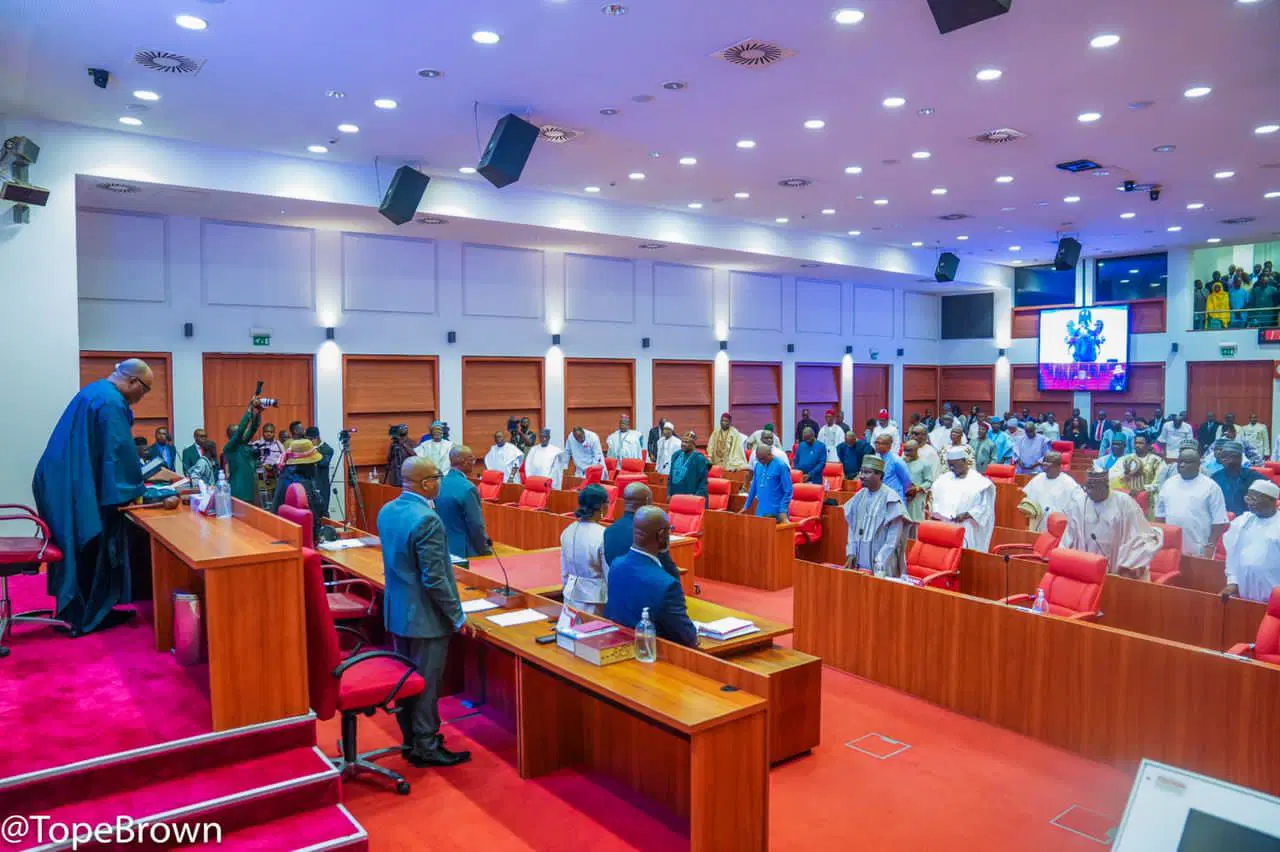
In a memo dated February 8 and signed by Senate Clerk Emmanuel Odo, the Senate President, Godswill Akpabio, directed that an emergency plenary session be held on Tuesday, February 10, 2026, at 12:00 noon, with all senators asked to attend.
The notice did not specify the exact legislative agenda for the session, but the timing comes days after the Senate’s third reading and passage of the Electoral Act amendment bill on February 4.
During that February 4 floor session the Senate voted down a clause that would have mandated presiding officers at polling units to transmit results electronically to the Independent National Electoral Commission’s Result Viewing (IReV) portal in real time.
The sitting represents an early reconvening of the upper legislative chamber, which had previously adjourned plenary for other parliamentary business including budget defence sessions for ministries, departments and agencies.
An emergency plenary sitting within days of the passage of a major electoral bill highlights the importance of the amendments to Nigeria’s democratic framework. The amendments and reactions to them have drawn attention from civil society groups, election stakeholders and political commentators.
Holding a plenary session specifically to reconvene the Senate outside the normal schedule could provide lawmakers with an opportunity to address concerns raised by various quarters regarding the bill’s provisions.
The process may also underline the legislature’s responsiveness to public discourse and the need for clarity in electoral law as Nigeria prepares for the 2027 general elections.