
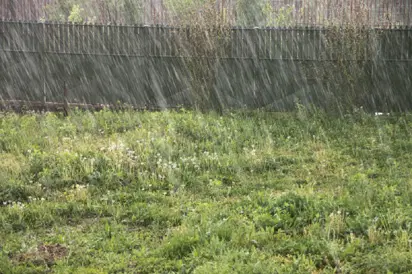
Abuja experienced its first rainfall of the 2026 season on the morning of February 1, as reported by local residents, marking a notable early‑year weather event in the Federal Capital Territory.
The first rain of the year is a recognised marker in Nigeria’s transition from harmattan and dry‑season conditions to the onset of the wet season. In previous years, such early rain events have been covered by local media and public weather bulletins when they occur, often providing temporary relief from dry conditions.
The first rainfall typically brings shifts in humidity, air quality and surface water accumulation in the FCT, which encompasses various residential districts and urban centres.
Residents and social media posts from Abuja confirmed that rain fell in the territory on February 1, 2026, marking the first measurable precipitation of the year.
Eyewitness accounts on local platforms described rain falling in parts of the city early that morning.
Official weather data from early January indicates typical dry‑season temperatures in Abuja at the beginning of the year, with no recorded rainfall in the first weeks of January.
The occurrence of the first rain may affect daily weather conditions in Abuja, bringing temporary changes in temperature and air humidity.
Rainfall at this stage of the year may influence short‑term activities, including higher moisture levels, possible dampness on roads and surfaces, and shifts in commuter planning.
Across the Federal Capital Territory, initial rains can also contribute to early vegetation greening and reduce dust levels in the atmosphere.