
The Arewa Consultative Forum has expressed deep concern that insecurity, poverty and humanitarian challenges in Northern Nigeria are worsening, warning that terrorism, banditry and kidnapping are displacing communities and disrupting livelihoods across the region, the group said at a meeting in Kaduna.
The Arewa Consultative Forum (ACF) is a socio-cultural organisation representing Northern Nigeria’s interests. At its 79th National Executive Council meeting in Kaduna, the forum addressed issues affecting the region, including security and socio-economic conditions.
Northern Nigeria has faced multiple security challenges for years, including violent attacks attributed to insurgent groups, armed banditry and kidnappings.
These threats have also contributed to broader socio-economic disruptions in farming, education and access to basic services.
ACF Chairman Mamman Mike Osuman, SAN, said on Wednesday that terrorism, armed banditry, insurgency and kidnapping have been on the rise in states such as Kwara, Southern Kaduna, Katsina and Benue, uprooting families and entire communities.
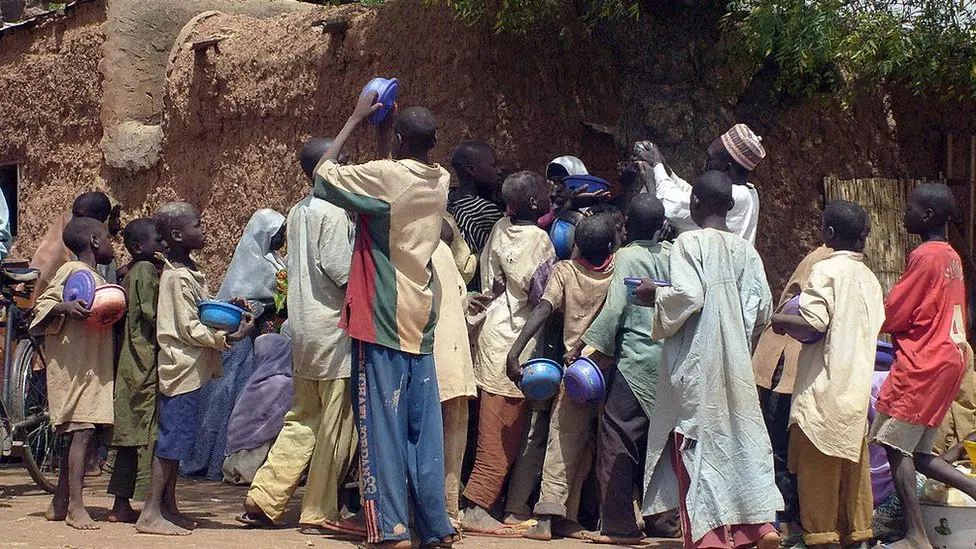
According to Osuman, repeated attacks have forced families into displacement, leading to overcrowded camps with limited access to essential services such as food, healthcare and education.
He said these conditions are contributing to worsening poverty and hardship in rural areas.
Osuman also noted that the persistence of insecurity has discouraged farming and other economic activities, weakening rural economies and restricting travel, which further affects livelihoods.
At the meeting, the ACF chairman said that external military assistance has been required in some instances, underlining the severity of the security situation, and urged members to adopt action-driven engagement with government authorities at all levels.
The forum also highlighted internal organisational decisions, including the establishment of additional committees, such as a Code of Conduct and Ethics Committee, to strengthen governance within the ACF.
The ACF’s statements reflect concerns about the intersection of insecurity and poverty in the North, indicating that displaced populations and weakened rural economies face increasing humanitarian pressures.
Disruptions to farming and education, alongside restricted access to markets and healthcare, may compound the challenges faced by communities in the region.
The forum’s emphasis on coordinated engagement with state and federal authorities highlights the need for sustained attention to security and socio-economic conditions as part of broader regional development discussions.