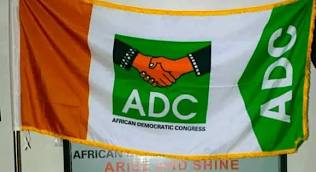
Leaders within the African Democratic Congress (ADC) and Labour Party (LP) have called for the 2027 presidential ticket to be zoned to Southern Nigeria, citing the need for fairness, inclusion and national balance ahead of the elections.
The call forms part of ongoing political alignments ahead of Nigeria’s 2027 general elections, where zoning and power rotation remain central to party strategies and national discourse.
Zoning has been widely practised across different levels of governance in Nigeria, including states, local governments and political party structures, as a means of promoting inclusiveness and balancing regional interests.
The latest position by stakeholders in ADC and LP reflects broader conversations within political parties on how to structure their presidential tickets to appeal to a wide national base.
The position was reached during the Middle-Belt Cognac ADC Strategy Conference, also known as the COPDEN/ADC Middle-Belt Strategy Conference, held in Jos, Plateau State.
The conference, organised by the Coalition for the Protection of Democracy (COPDEN) in collaboration with the ADC, focused on the theme: “Nigeria at Crossroads: Building the Green Coalition for 2027.”
According to the communiqué read by Prince Pam Rwang, coordinator of the group, participants resolved that the ADC should not field a presidential candidate from the Middle Belt in 2027.
He stated that the decision was taken “in the interest of national balance, fairness and inclusion,” adding that the region would instead support broader coalition efforts.
The communiqué further noted that elections in Nigeria are typically won through broad-based coalitions rather than regional dominance, with the Middle Belt described as a strategic bridge between the North and the South.
Participants emphasised the importance of rotational leadership, noting that zoning is already practised at sub-national levels and should also apply at the national level.
“The Middle Belt will not seek to lead from the front,” the communiqué stated, adding that the region intends to play a strategic role in shaping national outcomes through alliances.
In a related development, the Labour Party has already zoned its presidential ticket to the South, effectively limiting eligibility for aspirants from other regions on its platform.
The position by ADC and LP stakeholders highlights the continued relevance of zoning in Nigeria’s political structure, particularly in presidential elections.
For political parties, aligning candidates with regional expectations may influence coalition-building and voter acceptance across different parts of the country.
The emphasis on coalition politics also reflects efforts to build broader alliances capable of competing effectively in national elections.