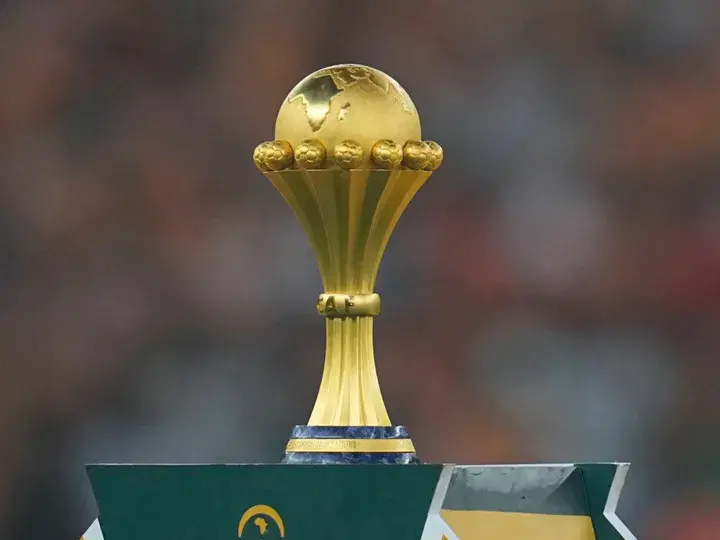
A self‑proclaimed marabout, identified only as Mr. Sinayogo, has been arrested in Bamako for fraud after collecting €33,500 (about 22 million CFA francs) by promising that Mali’s national football team would win the Africa Cup of Nations (AFCON) 2025 title.
The arrest follows the team’s 1‑0 quarterfinal loss to Senegal and an angry public reaction at his home. The incident highlights rising concerns over charlatanism and public exploitation tied to high‑profile sporting events.
Mali’s national team was eliminated from AFCON 2025 after a 1‑0 defeat to Senegal in the quarterfinal stage, dashing hopes of continental glory for the West African side.
In recent years, AFCON has drawn intense national attention across Africa, with fans and analysts tracking performance and outcomes across group and knockout stages of the tournament.
Self‑styled traditional healers, sometimes called marabouts in parts of West Africa, often promise spiritual or supernatural outcomes in exchange for money. These figures have periodically emerged around major events such as elections and sporting competitions, tapping into public passions and beliefs.
Mr. Sinayogo reportedly amassed more than 22 million CFA francs (about €33,500) in donations after publicly claiming he could secure victory for Mali at the continental tournament.
When the team failed to meet the forecast, residents gathered at his residence in Bamako, prompting police intervention to remove and detain him.
The suspect was taken into custody by officers from the cybercrime division and is being held on suspicion of fraud, according to videographers who visited him in detention.
A police official said that “charlatanism is punishable by law in Mali,” indicating legal grounds for the arrest, and noted that proactive action during the competition would have been “difficult in the heat of the Africa Cup of Nations.”
An associate of Sinayogo said the man was previously known as a political activist before branding himself as a spiritual figure promising sporting success, which enabled him to profit from fervent supporters.
The arrest raises broader issues about the exploitation of public aspirations linked to national sports competitions. High emotional stakes during tournaments like AFCON can make supporters vulnerable to figures claiming supernatural influence, highlighting the need for public education against fraud.
For authorities, the case illustrates the intersection of law enforcement with cultural practices when charismatic individuals leverage belief systems for financial gain.
Beyond sports, the incident may prompt discourse in Mali on how legal frameworks tackle charlatanism and protect citizens from exploitation, particularly when linked to major national events. As AFCON remains a unifying spectacle across Africa, managing misinformation and fraudulent actors will be crucial to safeguarding public trust and social stability.
The arrest of a self‑declared marabout after collecting large sums to promise a football title underscores the tension between traditional belief practices and legal accountability in contemporary West African societies.
It serves as a reminder of the need for vigilance against fraudulent schemes tied to emotional public events and the importance of legal protections that deter exploitation of collective hopes and passions.