
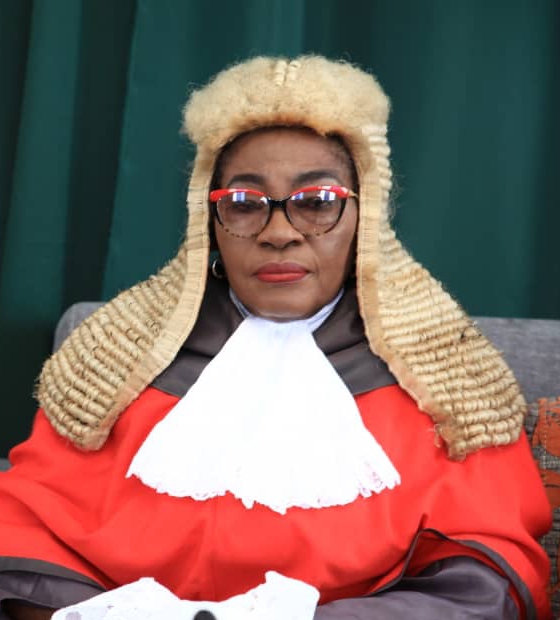
The Chief Judge of Akwa Ibom State, Justice Ekaette Obot, has ordered the release of 63 inmates from various correctional centres across the state as part of efforts to decongest custodial facilities.
The release followed a routine visit by the Chief Judge to correctional centres in the state, where cases of inmates were reviewed.
The exercise is part of ongoing judicial interventions aimed at addressing overcrowding and prolonged detention in custodial facilities.
During the visit, the Chief Judge examined records of inmates, including those awaiting trial and those with minor offences, to determine eligibility for release.
The 63 inmates were released after a review of their cases showed grounds for discharge, including:
- Prolonged detention without trial
- Lack of evidence to sustain prosecution
- Minor or bailable offences
- Health-related considerations
The Chief Judge emphasised that the exercise was carried out within the provisions of the law and aimed at ensuring justice and fairness.
Justice Ekaette Obot stated that the intervention was necessary to uphold the rights of inmates who had spent extended periods in custody without trial.
She noted that the judiciary remains committed to ensuring that no individual is unjustly held in detention, particularly in cases where legal processes have been delayed.
Officials of the Nigerian Correctional Service participated in the exercise by providing case files and relevant documentation for review. The collaboration enabled the identification of inmates eligible for release.
Correctional authorities also reiterated the challenges posed by overcrowding in custodial centres and welcomed efforts aimed at reducing inmate population.
The release of inmates highlights ongoing concerns about congestion in correctional facilities and delays in the justice system.
Judicial interventions such as this are part of measures to address these challenges while ensuring compliance with legal standards.
The exercise also underscores the importance of regular case reviews and coordination between the judiciary and correctional authorities.