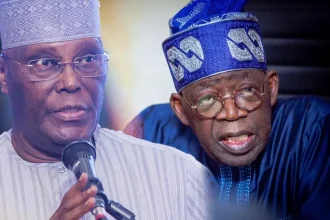

Former Vice President Atiku Abubakar has called on supporters of opposition leaders to desist from attacking Peter Obi, warning that such public exchanges weaken the collective effort to challenge the ruling All Progressives Congress (APC) in the lead-up to the 2027 general elections.
Atiku made the appeal in a widely shared post on X on Tuesday, January 20, 2026, emphasising the importance of unity among opposition forces amid growing political competition.
In his message, Atiku stressed that verbal attacks against either himself or Obi do not benefit the leadership of the opposition or Nigerians.
“Anyone who insults Obi or Atiku does not mean well for the leaders, the Coalition ADC and for Nigeria and Nigerians,” he wrote, highlighting that internal divisions could play into the hands of political opponents.
Atiku’s comments come amid heightened political engagement in Nigeria, where opposition groups are increasingly collaborating to form a credible alternative to the APC ahead of the 2027 polls.
This includes formal political realignments such as Obi’s defection from the Labour Party to the African Democratic Congress (ADC) late last year, alongside Atiku’s own move to the same platform, intended to consolidate opposition strength.
“The only persons who benefit from such a civil war are the APC urban bandits who want to maintain the satanic status quo,” Atiku said in his post, linking internal strife among opposition supporters to broader political risks that could diminish the competitiveness of coalition arrangements.
Political analysts note that opposition unity remains a key talking point as Nigerians prepare for the 2027 elections, with the APC’s long-standing dominance prompting calls for more cohesive strategies among rival parties.
The ADC coalition has sought to bring together multiple strands of dissent, attracting figures like former Anambra State Governor Peter Obi whose defection last month was positioned as a milestone for collective opposition efforts.
Atiku’s appeal reflects growing concerns that factional disputes among supporters can overshadow broader policy goals and strategic priorities.
Opposition groups have been navigating these tensions as they work to present a united front capable of securing electoral gains, particularly in urban constituencies where youth and professional voters are influential. Analysts argue that managing supporter behaviour and maintaining disciplined messaging will be central to opposition credibility and voter appeal.
Obi’s entry into the ADC was framed by his camp as a necessary step toward national renewal and a more effective challenge to the incumbent administration.
At that declaration event, Obi emphasised the need for united leadership and broad collaboration to address socio-economic hardships and strengthen democratic development in Nigeria.
Atiku’s message underscores the strategic imperative of opposition unity at a moment when coalitions are forming and voter sentiment is fluid.
For urban business communities and civil society stakeholders, a cohesive opposition could influence discussions on economic reform, governance accountability, and policy direction ahead of the elections. Conversely, visible divisions risk undermining confidence in alternative leadership while emboldening ruling party narratives.
As political activity intensifies, opposition leaders will likely continue to navigate internal dynamics alongside external challenges, with unity and disciplined engagement remaining critical to their prospects in 2027.