
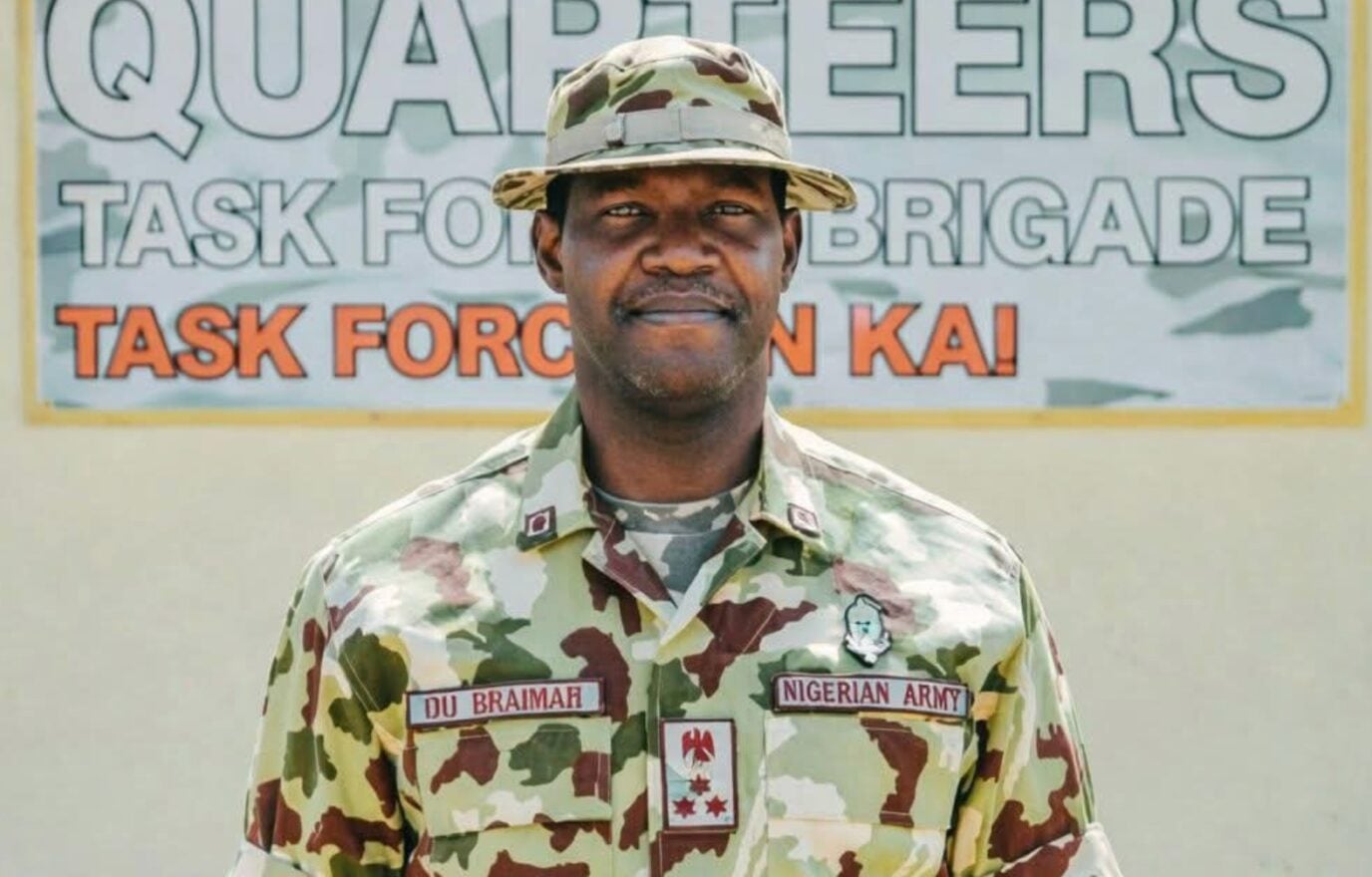
The Borno military base attack that led to the death of Brigadier General Oseni Braimah has raised fresh concerns about security resilience in Nigeria. The incident followed a midnight assault on a military formation in Benisheikh, Borno State.
Reports indicate coordinated attacks by insurgents targeting multiple positions. The development highlights ongoing risks affecting urban growth, infrastructure, and investment confidence.
Nigeria’s North-East remains a critical zone for insurgency threats and military operations. The Borno military base attack occurred in Benisheikh, a strategic town along the Maiduguri-Damaturu highway. The area serves as a key transit and security corridor for military and civilian movement.
For over a decade, insurgent groups such as Boko Haram and ISWAP have sustained attacks on communities and security formations.
These incidents continue to influence business activity, migration patterns, and infrastructure planning across the region. Urban centers like Maiduguri depend heavily on stable security conditions to sustain economic recovery and investor confidence.
According to reports, the attack took place around 12:30am on Thursday. Insurgents launched coordinated assaults on at least three military formations in Benisheikh.
Eyewitness accounts indicated that the attackers advanced in large numbers and extended operations into nearby civilian areas. Surviving soldiers described the incident as “one of the most intense attacks in recent months.”
While the Nigerian Army stated that the attack was repelled, soldiers and residents reported significant destruction.
The assault resulted in the death of Brigadier General Oseni Braimah, who commanded the 29 Task Force Brigade.
Additional reports suggest that insurgents breached the base with heavy force and overwhelmed troops.
Borno military base attack highlights operational vulnerabilities within high-risk zones. For businesses, the incident reinforces the importance of risk assessment in location planning and logistics operations.
Entrepreneurs operating in northern corridors must prioritize security intelligence and contingency planning. Logistics firms, agricultural ventures, and transport operators remain particularly exposed to disruptions.
The event also affects investor sentiment in frontier markets. Persistent insecurity can delay infrastructure projects and limit expansion into emerging urban hubs.
For policymakers, the attack underscores the need for improved coordination between military strategy and community protection systems.