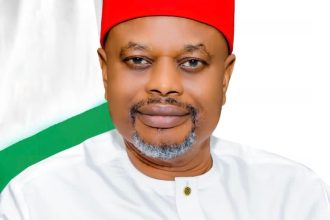
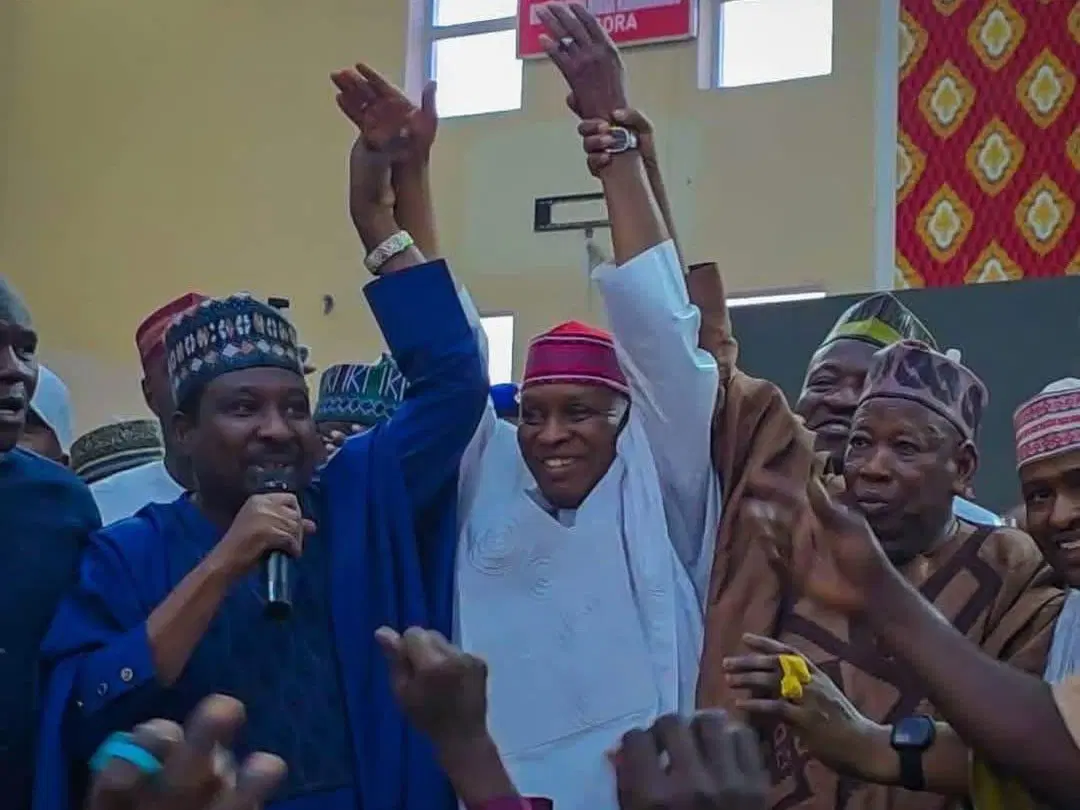
Kano State Governor Abba Kabir Yusuf has formally defected from the New Nigeria Peoples Party (NNPP) to the All Progressives Congress (APC), marking a significant political realignment in one of Nigeria’s largest urban states ahead of the 2027 general elections.
Yusuf’s decision to join the ruling party was made public on Monday, January 26, 2026, at an event held in the Kano Government House in the state capital.
Governor Yusuf said his move to the APC was taken “in the best interest of the people of Kano State,” explaining the need to promote unity, stability and accelerated development.
He formally resigned from the NNPP on Friday, citing “deepening internal crises” and “prolonged leadership disputes” within the party as reasons for his departure.
The defection comes after months of political speculation and negotiations. Governor Yusuf’s spokesperson, Sunusi Dawakin-Tofa, stated that the governor’s decision was driven by “the prevailing realities of governance, national cohesion and development,” making the APC “a familiar and well-structured platform for progressive governance.”
Abba Yusuf first joined the APC in 2014, winning the party’s primary for the Kano Central Senatorial seat before stepping aside for Senator Rabiu Musa Kwankwaso in a political arrangement.
Over the years, Yusuf shifted political platforms, including a successful run with the NNPP that saw him elected governor in 2023.
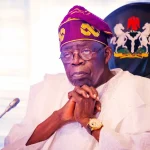
Speculation around his return to the APC intensified after a meeting with President Bola Ahmed Tinubu at the State House in Abuja, which many political observers said helped resolve sticking points in negotiations.
Prior discussions reportedly stalled over the issue of an automatic governorship ticket for Yusuf ahead of 2027.
Meanwhile, the NNPP’s leadership criticised the governor’s departure, with the party’s national publicity secretary describing the move as a betrayal of the mandate given to him by Kano residents.
At the Kano Government House, APC flags were hoisted to symbolise the state’s political realignment, and plans were outlined for the governor’s formal registration as an APC member.
Yusuf will register alongside 22 members of the Kano State House of Assembly, eight federal lawmakers, and all 44 local government chairmen in the state. He is also set to officially launch the APC e‑registration exercise.
Political actors within the APC have welcomed Yusuf’s defection as a boost to the party’s strength in the North‑West geopolitical zone and a possible endorsement of the APC’s policy direction under President Tinubu.
Supporters say the move could deepen cooperation between the state and the federal government, especially in infrastructure, security and service delivery.
Yusuf’s alignment with the ruling party may have wide implications for Kano’s urban economic landscape. Analysts note that closer ties with the federal government could expedite investment incentives, infrastructure development and intergovernmental project coordination.
For entrepreneurs and urban stakeholders, this could mean improved regulatory predictability and enhanced access to federal support mechanisms.
However, the shift also signals potential consolidation of political power that may reshape party competition in Kano’s urban centres. For small business owners and civic leaders, navigating the changing political environment will require strategic engagement with both state and federal leadership.
Governor Abba Yusuf’s defection to the APC represents a pivotal moment in Kano’s political evolution ahead of the 2027 elections.
The move carries implications for governance, service delivery and political alliances in urban Nigeria. Stakeholders in business and civil society will be closely watching how the new alignment influences policy outcomes and economic opportunities in Kano State.