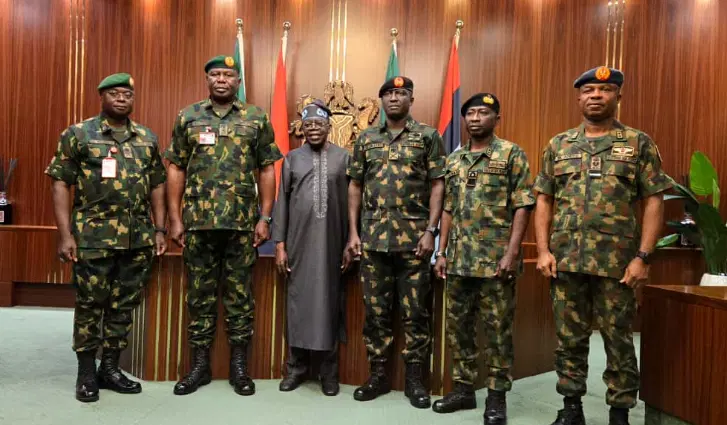
Nigeria spent a total of ₦32.8 trillion on defence over a 15-year period from 2010 to 2024, according to budget data reviewed amid ongoing security challenges across the country.
Security spending has remained a major component of Nigeria’s national budget due to persistent threats such as insurgency, banditry and other criminal activities affecting different regions.
Defence allocations are used to fund military operations, procure equipment and support personnel across the armed forces. Over the years, successive administrations have increased funding to address evolving security challenges.
The review of defence spending provides insight into how public resources have been allocated to national security over time.
The data shows that Nigeria’s defence expenditure rose steadily within the 15-year period, reflecting increasing allocations in response to security concerns.
According to the report, annual defence budgets expanded significantly, with notable increases recorded in recent years as the government intensified efforts to tackle insecurity.
The total spending of ₦32.8 trillion covers allocations to key defence institutions, including the Ministry of Defence and the Armed Forces of Nigeria.
Breakdowns in the data indicate that defence spending has consistently ranked among the highest sectors in Nigeria’s annual budgets during the period under review.
Sustained investment in defence reflects the priority placed on addressing insecurity across Nigeria. High levels of spending can influence overall budget structure, affecting allocations to other sectors such as infrastructure, education and healthcare.
For businesses and communities, security conditions remain closely linked to economic activity, investment decisions and daily operations, especially in regions affected by instability.
The scale of defence expenditure also highlights the financial commitment required to maintain security operations over an extended period.