
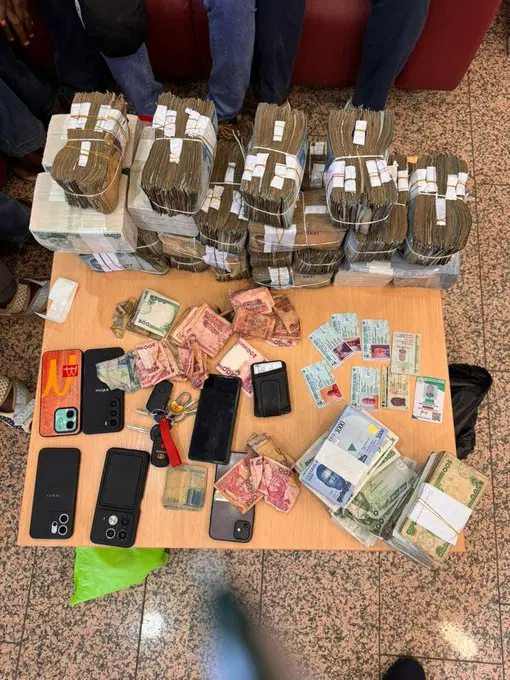
The Economic and Financial Crimes Commission (EFCC) says it has arrested 20 suspects linked to vote-buying and other alleged electoral offences during the Federal Capital Territory (FCT) Area Council elections, the agency confirmed in an official statement on Saturday.
The arrests followed the FCT Area Council polls held on February 21, 2026, in which voters across six area councils of the Federal Capital Territory cast ballots for chairmen and councillors.
The EFCC’s actions took place against the backdrop of heightened electoral activities, with officials monitoring compliance with electoral laws and regulations.
The commission’s statement referred to gatherings of election results, operational monitoring and intelligence provided by security agencies to sup
The EFCC said the 20 suspects were arrested in connection with alleged vote-buying practices and related electoral offences during the FCT polls. The arrests were made in multiple locations across the territory as part of the commission’s election-monitoring mandate.
Commission officials said the suspects were taken into custody for questioning and were expected to be charged or further processed under relevant Nigerian electoral laws.
Specific details about individual charges, locations of arrest, or outcomes were not disclosed in the EFCC statement.
The EFCC noted that its deployment to monitor electoral integrity included collaboration with the Nigeria Police Force, the Department of State Services, and other security partners. The arrests were described as part of this broader operation.
The EFCC’s arrests during the FCT council polls indicate active enforcement of electoral mandates and legal frameworks related to vote-buying and other offences. The detentions could inform subsequent legal processes or referrals to prosecuting authorities.
Security agency involvement during the elections also reflects multi-agency efforts to ensure lawful conduct during civic exercises. The cases may be used as examples of accountability measures connected to electoral compliance