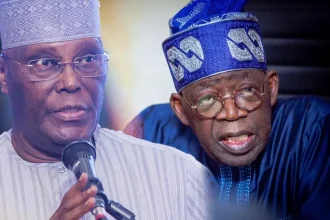
Political tensions arising from ruptured alliances between prominent political “godfathers” and their protégés in Kano and Rivers States are fuelling instability that is being felt beyond elite circles into the daily lives of ordinary citizens, according to accounts emerging from both states.
The fallout from these power struggles reflects how political mentorship in Nigeria can morph into open conflict with social and governance consequences as the 2027 general elections approach.
In Kano, the crisis was triggered when Governor Abba Kabir Yusuf broke ranks with his long-time mentor, Senator Rabiu Musa Kwankwaso, by defecting from the New Nigeria Peoples Party (NNPP) to the All Progressives Congress (APC).
That move, seen by many as a personal and political betrayal, has deepened tensions among factions within the state’s political class and created uncertainty for residents who now gauge their movements and routines according to the ebb and flow of political rivalries.
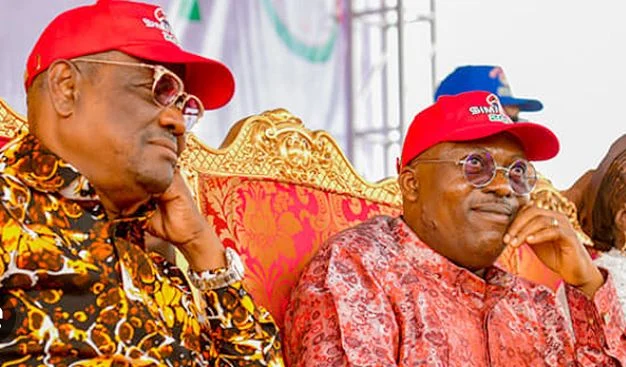
In Rivers State, a similar pattern unfolded between Governor Siminalayi Fubara and his former benefactor, Minister of the Federal Capital Territory Nyesom Wike.
Their relationship deteriorated after Fubara began asserting independence following his succession. The clash fragmented political alliances, stalled legislative processes and strained governance mechanisms, leading to a de facto paralysis that has affected administration and public confidence.
The impact of these ruptures illustrates how godfatherism in Nigerian politics where established, political figures play decisive roles in installing successors and can backfire when protégés prioritise autonomy over loyalty.
Analysts note this dynamic can erode institutional cohesion, reduce governance effectiveness and heighten political fragmentation.
For ordinary citizens in both states, the implications extend beyond political commentary into personal concern and daily life.
Stories from families in Kano, for example, describe husbands and fathers making nightly check-in calls to loved ones in the state to confirm safety and calm, with children staying home from school and spouses altering travel routes based on online reports of factional tensions.
In Rivers, prolonged legislative standoffs and competing authorities at times left basic governance functions in limbo, affecting public services and investor confidence.
While emergency powers have been invoked to restore some semblance of administrative order, many residents remain wary as political jockeying continues to overshadow policy implementation.
Political analysts argue that these godfather–protégé splits in Kano and Rivers reflect a deeper structural challenge in Nigerian politics. Reliance on patronage and personalised political ties often produces short-lived stability that collapses once protégés seek to exercise independent authority.
This cycle of alliance and rupture, they say, could intensify ahead of the 2027 elections, as political actors realign loyalties and reposition for influence.
Critics of godfatherism contend that it undermines democratic culture and diverts attention from substantive policy debates to personal power struggles.
The consequences, they argue, include weakened institutions, reduced public trust and increased political volatility in states where elite feuds spill into governance processes.
The political battles unfolding in Kano and Rivers demonstrate how the breakdown of godfather–protégé relationships can escalate into wider social and governance tensions.
As ordinary citizens adapt to the fallout and political actors prepare for upcoming elections, the events underscore an enduring challenge in Nigerian politics: balancing personal loyalty with institutional integrity to ensure stability and inclusive governance.