
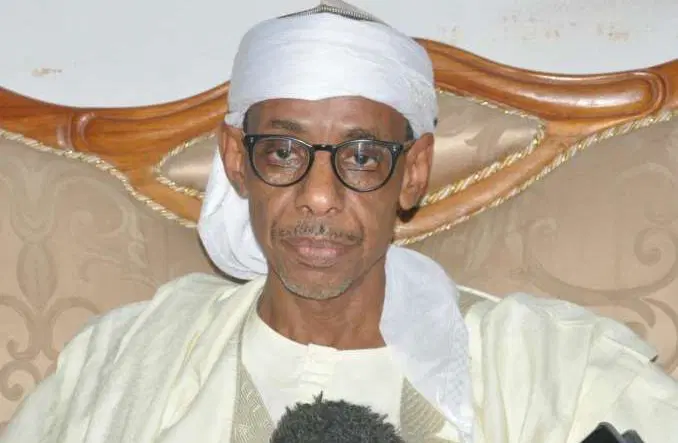
Senior politician and former minister Hakeem Baba-Ahmed has expressed concern over internal divisions within the People’s Democratic Party (PDP), warning that prolonged factionalism could jeopardise the party’s cohesion and national relevance. He highlighted the need for structured dialogue and reforms to prevent further erosion of trust among stakeholders.
Speaking during a political roundtable, Baba-Ahmed emphasised that unresolved leadership disputes and policy inconsistencies are undermining the party’s capacity to present a united platform in forthcoming elections. He urged party executives and members at all levels to prioritise reconciliation and institutional strengthening over factional interests.
The PDP has faced repeated public scrutiny over leadership conflicts, candidate selection disputes, and inconsistent messaging. Analysts note that prolonged factionalism may impact electoral competitiveness, public perception, and the party’s ability to influence governance discourse nationally.
Baba-Ahmed’s statement also called attention to the need for internal mechanisms that encourage accountability, transparent decision-making, and participatory governance within party structures. Such measures, he argued, are crucial for restoring confidence among members, supporters, and the broader electorate.
For Nigerian citizens, the developments within PDP have implications for national political stability, as major parties play a central role in shaping policy, legislative priorities, and governance outcomes. Ensuring cohesion within political institutions directly influences the effectiveness of democratic processes.
Observers note that proactive reform, open communication, and adherence to party constitutions can prevent further erosion of credibility. Baba-Ahmed emphasised that a pragmatic approach focused on policy substance, national interest, and inclusive decision-making is essential for the party to remain relevant.
The commentary serves as a broader reminder of the importance of political accountability, internal democracy, and institutional resilience. In Nigeria’s multiparty landscape, parties that fail to address internal crises risk weakening their influence and diminishing public trust, underscoring the critical need for deliberate organisational repair.