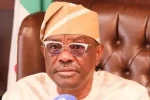
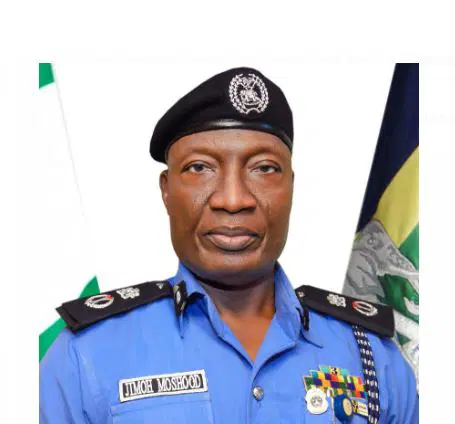
Controversy over protests against alleged illegal demolitions, forcible evictions and land grabbing in Makoko, Oworonshoki and other low-income communities in Lagos State intensified on Thursday, January 29, 2026, as activist Hassan Taiwo, popularly known as “Soweto,” accused the Lagos State Commissioner of Police, Moshood Jimoh, of personally leading an assault on peaceful protesters during a march to demand justice and compensation.
Soweto, a leader of the Coalition Against Demolition, Forced Eviction, Land Grabbing and Displacement in Lagos and spokesperson for the #EndBadGovernance Movement, made the allegation following his arrest and those of fellow campaigner Dele Frank at a demonstration outside the Lagos State House of Assembly, Alausa.
He claims that the police command, led on the ground by Jimoh, used excessive force, injuring several protesters before their detention.
The protest on Wednesday, January 28, brought together residents from waterfront and informal settlements including Makoko, Oworonshoki, Owode-Onirin and Oko Baba to oppose ongoing demolition exercises carried out by Lagos authorities without adequate notice, compensation or resettlement plans.
Demonstrators marched from Ikeja Bridge to the House of Assembly, carrying placards calling for protections for displaced families.
According to residents and civil society observers, the demonstration was largely peaceful until heavily equipped officers from the Rapid Response Squad (RRS) and other units deployed tear gas to disperse the crowd. Witnesses also reported a protester sustaining a leg injury and many fleeing in panic as tear gas canisters were fired. Activists criticised the response as disproportionate.
Soweto, who was later released on bail, published a Facebook post saying he was “heavily injured by the Commissioner of Police and his criminal officers” but remained undeterred in the struggle against demolitions and forced evictions. He reiterated that activists would continue to advocate until authorities addressed the grievances of displaced residents.
The Lagos State Police Command has denied allegations of gunfire or a targeted assault by senior officers. Commissioner Jimoh, speaking to media outlets, said no firearms were discharged during the demonstration and that officers used only minimal force, specifically tear gas to prevent the protest from blocking major arterial roads and preserve public order.
The command maintained that it respects citizens’ rights to peaceful assembly but will act to prevent disruption and potential violence.
Police sources further indicated that Soweto, Frank and others were arrested not solely for the protest but for alleged offences including obstruction of traffic, public disorder and related counts, which the Lagos State Police are currently investigating ahead of further court proceedings.
Broader Context and Community Impact
The dispute underscores rising tensions over urban development policies in Lagos, where demolition campaigns in informal settlements such as Makoko, a historic waterfront community, have displaced thousands of residents and drawn sharp criticism from human rights groups and civil society.
Critics argue that the demolitions are being conducted without adequate compensation or relocation plans, compounding the hardships of low-income families.
Civil society organisations including Socialist Labour have condemned the arrests and police response, describing the actions as infringements on constitutional rights and peaceful protest. They have called for accountability, immediate halts to forced evictions, and genuine engagement with affected communities to craft humane relocation solutions.
The allegations by Soweto that the Lagos State Commissioner of Police personally led a crackdown on anti-demolition protesters highlight deepening divisions over urban development and state responses to civic dissent.
As legal actions unfold and advocacy groups push for broader reforms, the incident reflects ongoing debates over public safety, human rights and policy transparency in one of Nigeria’s most populous and economically dynamic cities.