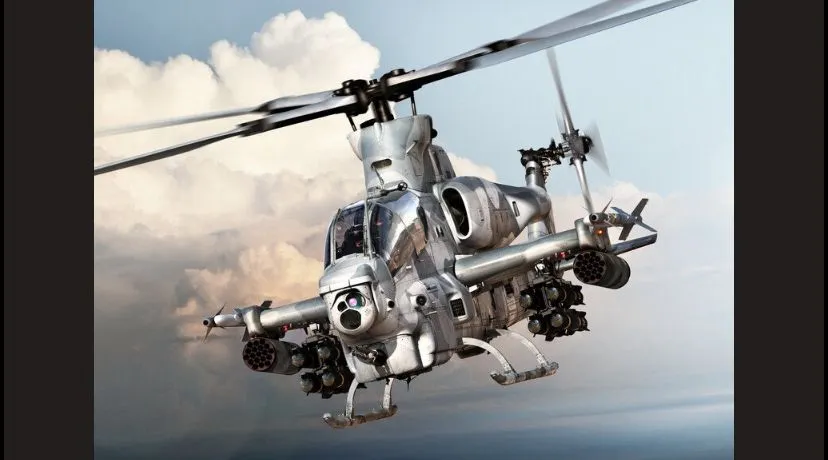
Nigeria’s Air Force Chief, Air Marshal Oladayo Amao, is currently in the United States to oversee the procurement of new attack helicopters, according to an official statement from the Nigerian Air Force (NAF). The visit is part of the service’s ongoing efforts to modernize its fleet and strengthen the country’s aerial defense capabilities.
The statement released on Wednesday indicated that the procurement process involves evaluating potential helicopter models, negotiating contracts, and ensuring that the acquisition aligns with operational requirements. Air Marshal Amao emphasized the strategic importance of this purchase in enhancing the NAF’s capacity to respond to security challenges, particularly in the northern and northeastern regions of Nigeria.
The NAF highlighted that the acquisition is intended to improve aerial surveillance, rapid troop deployment, and precision strike capabilities. The Chief of Air Staff was quoted saying, “This procurement represents a significant step toward modernizing our fleet, enhancing operational efficiency, and safeguarding Nigeria’s territorial integrity.”
Security experts note that the addition of advanced attack helicopters could strengthen counterinsurgency operations against Boko Haram, bandits, and other armed groups, which have posed significant threats to national stability over the past decade. The Air Force emphasized that the process will adhere to all procurement regulations and international standards to ensure transparency and accountability.
The official visit also includes technical inspections, pilot training programs, and discussions on maintenance and logistical support to ensure the aircraft are fully operational upon delivery. Observers say that this move signals Nigeria’s commitment to reinforcing its air defense infrastructure as part of broader national security reforms.
The NAF affirmed that updates on the procurement process will be communicated to the public, and the acquisition is expected to enhance both defensive and offensive operational capacities across Nigeria’s airspace.