Nigeria’s presidential committees have recorded N12.99 billion in budget allocations and N105.97 million in traceable disbursements since May 2023, according to an analysis of budget data and government payment records.
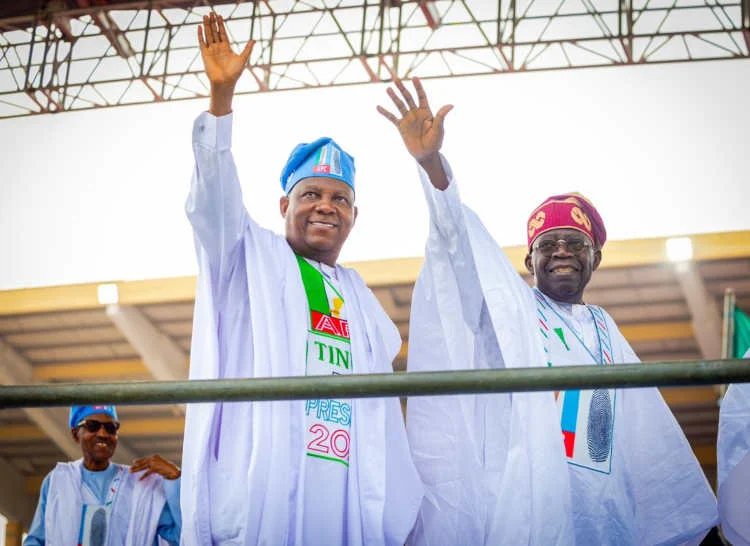
President Bola Tinubu and Vice President Kashim Shettima have inaugurated numerous committees since assuming office in May 2023. These panels include both ad hoc committees formed for specific tasks and long-standing statutory panels.
Data covering 2023 to 2026 shows that total allocations to presidential panels reached nearly N13 billion, while payments recorded through the government’s financial systems amount to about N106 million for services related to some ad hoc committees.
Budget documents and public finance transparency data show that N12.99bn was designated for presidential committees under the Office of the Secretary to the Government of the Federation. Allocations across years were:
- 2023: N3.73bn including standing committees on land reforms, business environment, and other areas.
- 2024: N2.96bn with breakdowns for political officers and various standing committees.
- 2025: N3.24bn, including funds for land reform and political officers.
- 2026: N3.06bn for similar recurring panels.
Separate payment records from GovSpend show N105.97m spent between May 2023 and December 2025. These included consultant fees and operational costs for specific committees, such as fees paid to service providers for the Presidential Committee on Salaries and other panel activities.
The data highlights the scale of financial commitments to presidential panels within the first three years of the current administration.
These allocations and disbursements contribute to overall government spending and budget planning for committees designed to address national policy tasks.
For public finance observers, the figures underscore the fiscal resources dedicated to government committees and their role in policy formulation and implementation.
Analysts and stakeholders studying government expenditure trends may consider how these allocations relate to broader budgetary priorities.