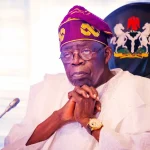
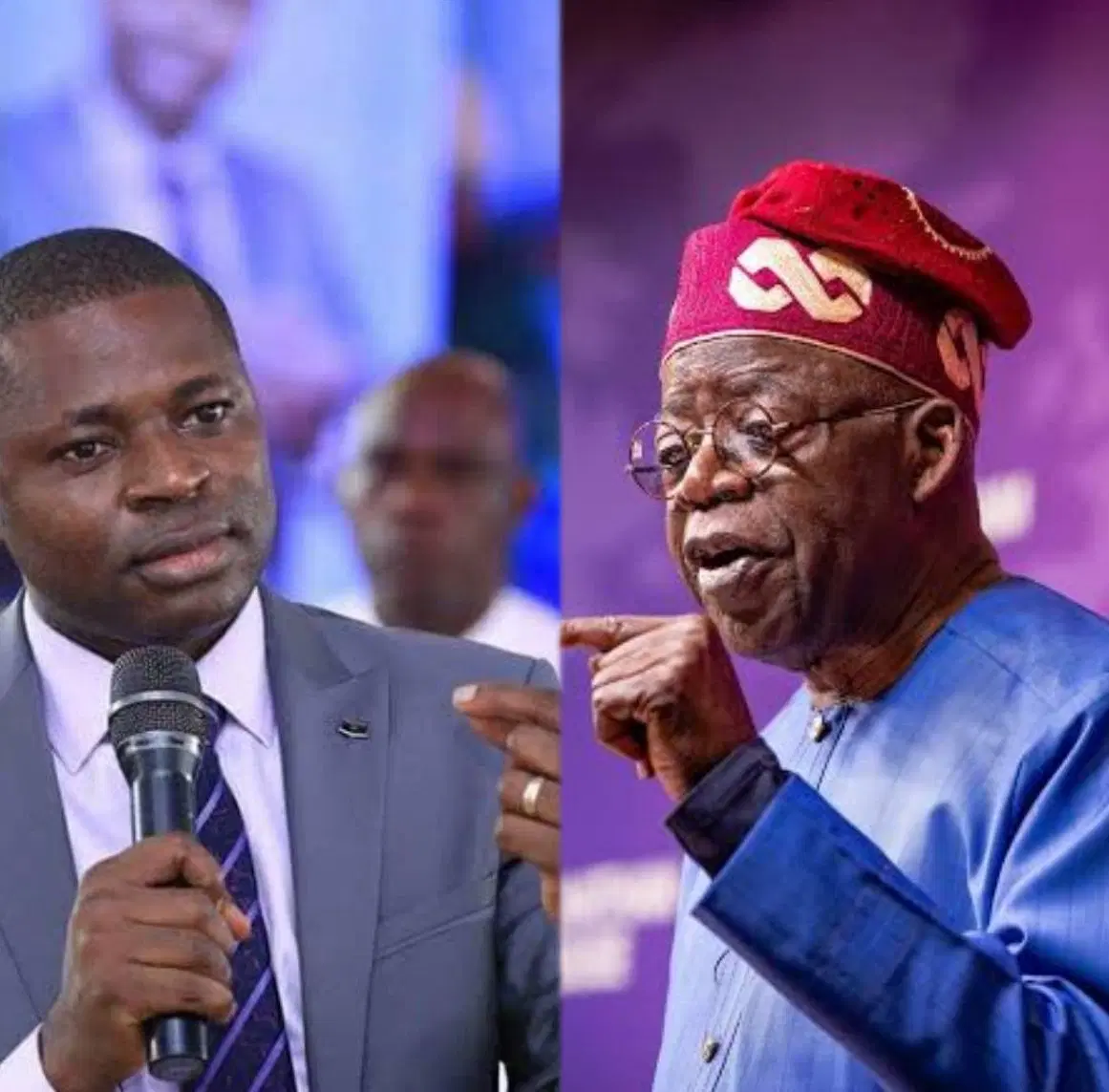
Renowned cleric Prophet Samuel Adebayo Ojo has declared that President Bola Ahmed Tinubu is a strategic leader whose position in the 2027 general election can be altered only by the will of God, emphasising that electoral outcomes are ultimately determined by divine purpose rather than human manoeuvres.
Ojo made the remarks during a 24‑hour Men’s Marathon Prayer Programme at the Mount of Glory in Ibadan, which drew participants from across Nigeria and abroad.
The comments come amid intensifying political discourse as Nigerians prepare for the 2027 elections, with parties and coalitions positioning for a heated contest. While the All-Progressives Congress (APC) aims to retain the presidency under Tinubu’s leadership, opposition groups have been vocal about their ambitions to unseat the incumbent.
Against this backdrop, religious leaders often weigh in on national morale and outlook, drawing links between spiritual conviction and political stability.
Prophet Ojo, the General Overseer of Freedom Apostolic Revival International Ministry, is known for his bold prophetic statements on national affairs. In past commentary, he has asserted that political outcomes are shaped by spiritual decree, a view that resonates with many Nigerians who integrate faith with civic life.
Addressing worshippers during the prayer marathon, Ojo described Tinubu’s leadership style as reflective of strategic thinking and resilience. He said that determining who holds political office is ultimately “in the hands of God,” underscoring his belief that divine will supersedes political scheming.
The programme featured extended worship, motivational talks on responsible leadership and strengthening family values, and sessions on spiritual empowerment for men in society.
Ojo also stressed the importance of continual prayer for national leadership, advocating peace, unity and stability as foundational to Nigeria’s development. He said such spiritual discipline is crucial for progress and urged Nigerians to uphold leaders in prayer irrespective of political disagreements.
The cleric’s remarks are likely to influence conversations around the 2027 electoral cycle, especially among faith‑oriented communities in urban centres where religion plays a significant social role. Nigeria’s electorate spans diverse religious landscapes, and pronouncements from influential pastors often shape morale, public expectations, and perceptions of leadership legitimacy.
However, linking political leadership to divine decision may draw scrutiny from secular voices who argue that democratic outcomes should rest on policy performance, accountability and voter choice rather than spiritual endorsement. Critics contend that framing election results in strictly divine terms can obscure critical public evaluation of governance performance.
For policymakers and political strategists, such statements may underscore the need to engage religious constituencies with clear communication about civic processes and party platforms, ensuring that faith‑inspired influences complement rather than overshadow democratic participation.
Prophet Sam Ojo’s assertion that President Tinubu remains strategically placed for leadership until God decides otherwise highlights the enduring role of religious interpretation in Nigeria’s political discourse.
As the nation approaches the 2027 elections, the interplay between faith, leadership perception and democratic choice will continue to shape public dialogue and influence voter engagement across urban and rural communities alike.