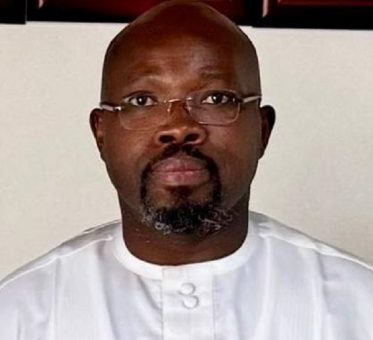
My attention has been drawn to a media publication, circulated primarily by a narrow circle of loyalists of the Enugu State Government, which falsely attributes to me a commendation of the incumbent administration for so-called “road construction” in Enugu State. I wish to categorically state that this publication is misleading, inaccurate, and deliberately crafted to distort my position.
Such misrepresentation is not only dishonest but also constitutes a grave disservice to the good people of Enugu State, who have, over time, become victims of excessive taxation, economic pressure, and systemic exploitation under the current administration. Any attempt to portray me as endorsing this governance style is both false and unacceptable.
It is important to clarify, as has been echoed repeatedly in online media analyses, civil society commentaries, and public discourse, that painting, resurfacing, or beautifying already-existing roads does not amount to road construction. The activities carried out around the Government House axis, Chime Avenue, and Bisala Road, largely cosmetic in nature and do not meet any objective standard of infrastructural development. These actions have been widely described by residents, urban planners, and commentators as optics-driven projects designed for media appeal rather than meaningful impact.
Multiple opinion pieces and public reactions have also raised serious concerns about the state government’s aggressive Internally Generated Revenue (IGR) drive. In pursuit of revenue targets, the government has controversially reclassified ancestral lands, villages, and rural communities as “urban areas”, thereby extending urban taxation frameworks into places that lack even the most basic amenities.
This policy shift has resulted in deeply troubling outcomes. Reports abound of elderly market women, some over 90 years old, being compelled to pay taxes in village square markets, despite the complete absence of government-provided infrastructure such as access roads, potable water, healthcare facilities, or schools in these communities. Public opinion, as reflected in radio phone-ins, editorial columns, and community town halls, overwhelmingly views this approach as punitive, insensitive, and exploitative.
The prevailing sentiment among the people is one of frustration, fatigue, and growing outrage. Many citizens believe that the current administration in Enugu state, has prioritized revenue extraction over human development, and public relations over genuine governance. The widespread view is that the government has failed to articulate or demonstrate a clear pathway for lifting ordinary people out of poverty.
Consequently, there is a strong and rising expectation among the populace for political change. As widely expressed in public forums and media discussions, the people are counting down to the next election, eager to exercise their democratic right to vote out a government they perceive as disconnected from their daily realities and incapable of delivering inclusive economic growth and sustainable development.
Let it therefore be clearly understood: I did not, and will not, commend a system that burdens the poor, neglects rural communities, and substitutes cosmetic projects for real progress. My allegiance remains firmly with Chief Uche Nnaji (Nwakaibia) and the good people of Enugu State and their legitimate aspiration for accountable leadership, fair taxation, and development that is both visible and felt across all communities to uplift and advance positive change.
Signed. Chief Basil Ani