
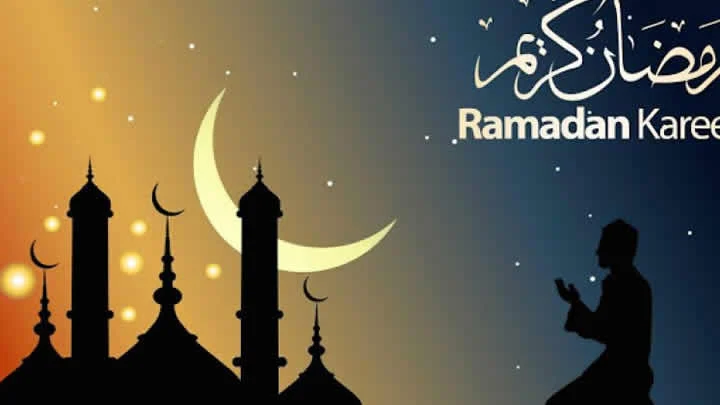
Millions of Muslims and Christians across the world begin observing the holy seasons of Ramadan and Lent today, with devotees engaging in fasting, prayer and reflection as part of longstanding religious traditions, the Punch reports.
Ramadan is the ninth month of the Islamic lunar calendar, during which Muslims fast from dawn to sunset, engage in heightened prayer and recitation of the Qur’an, and participate in acts of charity. The start of Ramadan is based on the sighting of the moon.
Lent is a period of about six weeks in the Christian liturgical calendar observed by many denominations, including Roman Catholics and some Protestant churches.
It commemorates the 40 days Jesus spent fasting in the wilderness and is marked by prayer, repentance and, for some, fasting or abstinence from certain foods or habits.
According to the report, Muslims in many countries began fasting from dawn today following confirmation of the lunar sighting by relevant religious authorities.
The first day of Ramadan fasting typically begins at dawn after the suhoor meal and continues until sunset.
Meanwhile, many Christians began observing Lent today, typically marked on Ash Wednesday, a day when believers reflect on their faith, attend special church services and sometimes receive a cross of ash on their foreheads as a sign of penitence.
Religious leaders worldwide have issued statements advising their congregations on proper observance.
Some Muslim councils and Islamic scholars confirmed local moon sightings and called for unity and devotion during the month of Ramadan fasting.
Christian clergy also encouraged worshippers to embrace the spiritual disciplines associated with Lent, including prayer and self‑examination.
The concurrent beginning of Ramadan and Lent brings multiple religious communities into periods of fasting and spiritual focus. Businesses, schools and other institutions may make accommodation for worshippers, such as altering meal times or scheduling services.
In many countries, mosques and churches will offer special programs, prayer sessions and outreach activities throughout the seasons, allowing devotees to participate fully in communal worship and reflection.
Observers say the overlap of these sacred periods highlights the diversity of global religious practice and presents opportunities for interfaith engagement and mutual understanding.