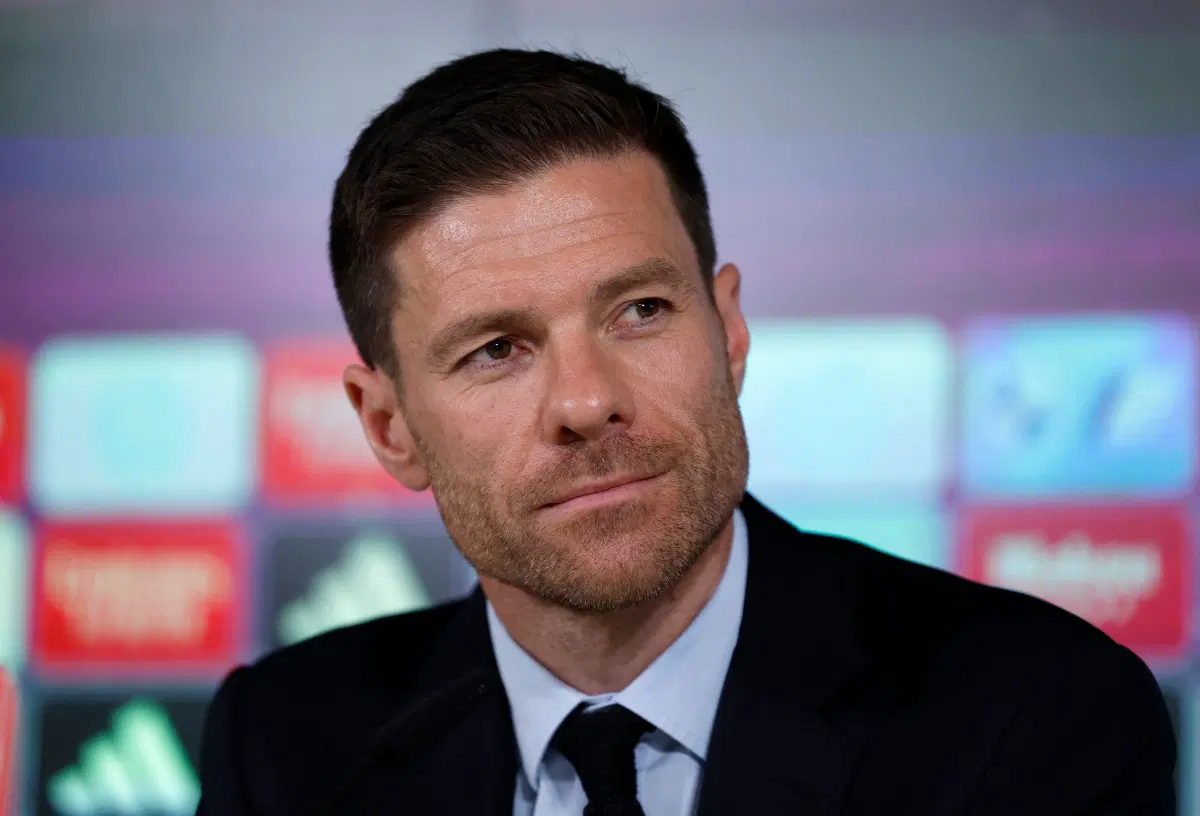
Real Madrid have sacked head coach Xabi Alonso with immediate effect following the team’s 3‑2 defeat to FC Barcelona in the Spanish Super Cup final in Jeddah on January 11, 2026, marking the end of his seven‑month managerial stint at the club.
The decision comes amid mounting pressure after inconsistent results and key losses in high‑stakes fixtures. Alonso’s departure signals a major shift for the Spanish giants as they seek renewed leadership and stability.
Alonso, a former Real Madrid midfielder and celebrated coach, was appointed on June 1, 2025, signing a contract that was expected to keep him at the club until June 30, 2028.
His hiring followed the departure of Carlo Ancelotti, who left to take charge of the Brazil national team.
The Spaniard arrived amid optimism, drawing on a successful managerial record at Bayer Leverkusen where he led the club to its first‑ever Bundesliga title and domestic cup success.
Expectations were high that he could reinvigorate Real Madrid’s tactical approach and restore the club’s trophy‑winning pedigree.
Real Madrid’s announcement confirmed that Alonso will leave the club by mutual agreement as Real Madrid looks to reset following the Super Cup setback.
The loss to arch‑rivals Barcelona in the final capped a mixed campaign where the team struggled for consistent form in key competitions.
Reports indicate that the defeat in the Spanish Super Cup final was a decisive factor in the club’s decision, with Real Madrid’s board concluding that a change in leadership was necessary to meet ambitious expectations for silverware this season.
Alonso’s tenure featured both promising performances and disappointing results in domestic and continental fixtures.
The departure of Alonso creates immediate questions about the direction of Real Madrid’s sporting project, especially with crucial La Liga, Copa del Rey, and UEFA Champions League fixtures ahead.
Urban Nigerian football fans and global supporters alike will be watching how the club restructures its coaching staff and whether a high‑profile replacement will be appointed.
For football markets and betting industries tied to Real Madrid’s performance, leadership instability can affect odds and expectations. Sponsors and commercial partners often expect managerial stability to support global brand engagement and performance consistency.
Alonso’s exit also highlights the intense pressure elite clubs face to deliver immediate success, with little tolerance for transitional periods.
Real Madrid’s decision to part ways with Xabi Alonso after just seven months illustrates the unforgiving nature of elite football management and the relentless demand for results at elite clubs.
The move resets expectations at the Bernabéu and opens the door for strategic reevaluation of squad structure, tactical philosophy, and leadership.
Urban football followers and aspiring coaches can glean insights about the volatility of top‑level coaching roles and the importance of aligning performance outcomes with stakeholder expectations in global sport.