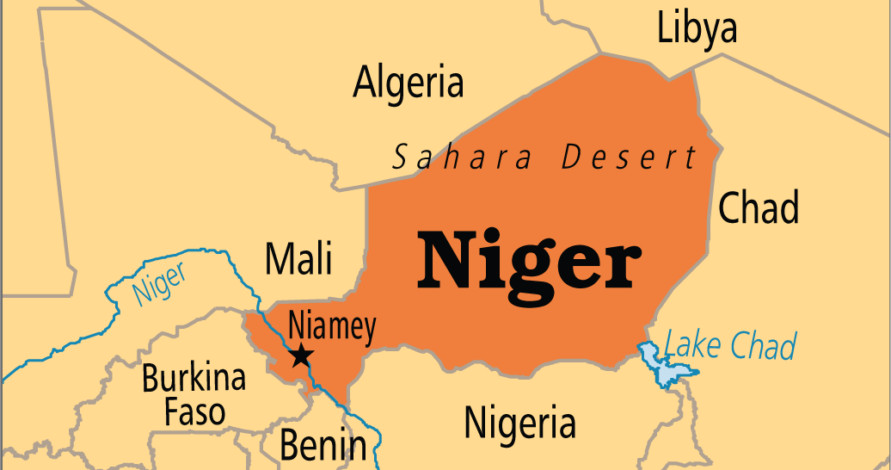
The stranded Nigerians return Kano development has marked a fresh phase in Nigeria’s migration response, as 522 returnees arrived in Kano from Niger Republic under a voluntary repatriation programme coordinated by the Federal Government.
The returnees were received and profiled by emergency officials for immediate support and reintegration.
Migration across West Africa remains active, with many Nigerians travelling through neighbouring countries in search of economic opportunities in North Africa and beyond.
However, irregular migration routes often expose travellers to safety risks, financial loss, and limited access to protection services.
The stranded Nigerians return Kano exercise is part of ongoing efforts by Nigerian authorities to manage migration flows and support citizens willing to return home.
Government agencies, working with international partners, have continued to facilitate voluntary repatriation programmes aimed at ensuring safe and organised returns.
Such initiatives align with broader national strategies focused on reducing unsafe migration while supporting reintegration into local communities.
Officials confirmed that the 522 returnees arrived at the Malam Aminu Kano International Airport at about 5:10 p.m. after being transported from Niamey in 12 buses.
The group included 267 male adults, 101 female adults, 82 boys, and 72 girls from states such as Kano, Jigawa, Plateau, and Bauchi.
According to the Head of Operations at the National Emergency Management Agency in Kano, Dr. Nura Abdullahi, the exercise was voluntary and coordinated by the Federal Government through the Ministry of Foreign Affairs.
“It is a voluntary repatriation of Nigerians from the Niger Republic. The returnees were brought back by the Federal Government through the Ministry of Foreign Affairs,” he said.
The stranded Nigerians return Kano operation involved coordinated support from multiple agencies.
Medical teams were deployed to attend to returnees, while a mobile intensive care unit was stationed at the reception centre to handle emergencies.
Authorities also provided humanitarian assistance, including food items, blankets, mosquito nets, and dignity kits containing essential supplies.
Dr. Abdullahi noted that many of the returnees had attempted migration journeys toward countries such as Libya and Algeria but chose to return after encountering challenges along the route.
He added that temporary shelter arrangements were made, and that after profiling, the returnees would be transported to their respective states for reintegration.
The stranded Nigerians return Kano development highlights the ongoing economic and social factors driving migration among Nigerians.
For many returnees, reintegration support will be critical in rebuilding livelihoods and preventing repeat migration attempts.
For policymakers, the situation underscores the need for sustained investment in job creation, skills development, and local economic opportunities. Addressing these root causes remains essential to reducing irregular migration.
From a humanitarian standpoint, coordinated response efforts demonstrate the importance of multi-agency collaboration in managing large-scale repatriation and ensuring the well-being of returnees.