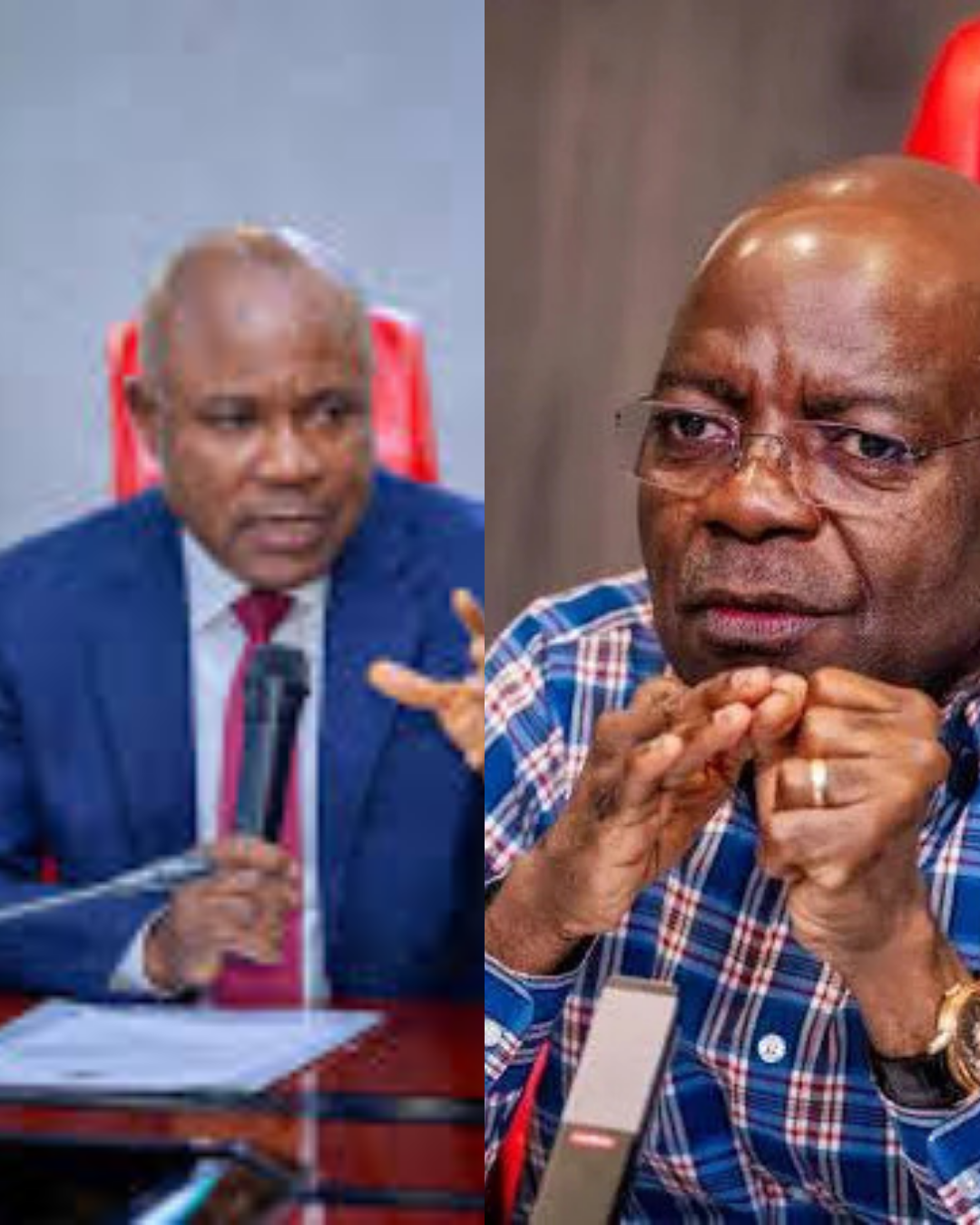
On May 29, 2023, two governors took their oaths of office in Southeast Nigeria: Peter Mbah in
Enugu State and Alex Otti in Abia State.
Nearly two years later, the divergent paths these administrations have taken reveal stark contrasts in governance priorities and even starker differences in citizens’ daily lives.
While one state’s residents celebrate restored electricity after nine years of darkness and
functional healthcare facilities, the other’s citizens watch billions allocated for basic water supply
vanish into thin air, even as they pay triple the price for water tankers.
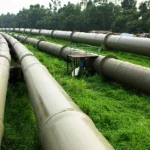
The Water Crisis: N86 Billion Budgeted, Taps Still Dry
In 2023, Governor Peter Mbah made a bold promise to Enugu residents: water in every home
within 180 days. Nearly 850 days later, that promise remains unfulfilled.
Between 2023 and 2026, the Enugu State government budgeted a staggering N86.15 billion for
water supply projects. Yet investigations reveal that less than N8 billion, barely 10 percent, has
actually, been released or spent.
The breakdown tells a damning story:
- 2024: Only 12.3% of the N28 billion water budget was released
- 2025: A mere 3.8% of the N23.2 billion allocation was released (N895.4 million)
The impact on ordinary citizens has been severe. Water tanker prices have tripled from N12,000
to N35,000 per 1,000 gallons. Residents across Enugu metropolis, including areas near the seat
of power, remain without piped water.
Chief Nduka Eya, former Commissioner for Education, publicly lamented: “I haven’t had water in
my home for two years, despite living near Government House.”
If a former commissioner living in the capital can’t access water, what hope do ordinary citizens
in rural areas have?
Meanwhile, in Abia: Light After Nine Years of Darkness
While Enugu residents struggle with basic water supply, Abia State, under Governor Alex Otti,
has tackled what many considered impossible.
In December 2025, the Abia State government restored electricity to 33 communities in Ukwa
West Local Government Area that had been in total blackout for nine years.
But that’s just one achievement. In February 2024, Governor Otti commissioned the
141-megawatt Geometric Power Plant, Nigeria’s first integrated independent electricity facility.
The plant serves nine local government areas in the Aba ring-fence area, providing a stable
power supply that has revitalised businesses and commerce.
Aba, once Nigeria’s manufacturing hub that had decayed into dysfunction, is experiencing a
renaissance. Traders and manufacturers who had relocated due to power failure are returning.
Dr. Uma Eleazu, a 95-year-old renowned economist, captured the sentiment: “Since Alex Otti
became governor, I have started having hope that things can change.”
Healthcare: Accreditation Restored vs. Promises Unfulfilled
The contrast extends to healthcare delivery.
In Abia State, Governor Otti restored full accreditation to the Abia State University Teaching
Hospital, which had lost its status.
He commissioned multiple fully equipped and functional Primary Healthcare Centres in June 2025, cleared all inherited salary arrears for health workers, and implemented programs targeting maternal and child mortality reduction.
While Enugu has announced various healthcare initiatives, verifiable on-ground impact remains
elusive. The focus appears to be on high-profile infrastructure rather than functional healthcare
delivery at the grassroots level.
Workers’ Welfare: Cleared Arrears vs. Mounting Debts
Abia State has maintained consistent payment of workers’ salaries and pensions, clearing
inherited arrears. Enugu State, despite its significantly larger budget, still has unpaid pension
arrears to retired civil servants, some waiting years for their entitlements.
The Budget Question: Where is the Money Going?
Enugu State’s 2025 budget stands at N971 billion, with 86% earmarked for capital expenditure.
Yet citizens struggle to identify commensurate impact.
The state is investing N25 billion in an International Conference Centre at Okpara Square, plus
an additional contract for a 335-380 room five-star hotel at the same location.
This raises uncomfortable questions: In a state where citizens buy water from tankers, where
pensioners sleep outside government offices demanding unpaid benefits, and where basic
infrastructure crumbles, should a luxury hotel and conference centre be the priority?
The IGR Controversy
Adding to citizens’ frustrations, the Enugu State government claimed an Internally Generated
Revenue of N406.77 billion, a figure that opposition figures, including APC chieftains, have
publicly disputed, demanding transparency and proof.
If indeed the state generated such revenue, where are the results? Why do taps remain dry
despite N86 billion budgeted for water?
Two States, Two Philosophies
The Enugu-Abia comparison illuminates a fundamental question about governance: Should
governments prioritise prestige projects and infrastructure that look good in photographs, or
focus on basic services that improve daily life?
Governor Mbah’s administration has completed 71 urban roads in its first year and launched
ambitious infrastructure projects. These are commendable. But roads alone don’t quench thirst.
Conference centres don’t power homes or businesses. Hotels don’t save lives in ill-equipped
hospitals.
Governor Otti’s approach in Abia has been decidedly different: restore basic utilities first, clear
inherited debts, ensure workers are paid, then build infrastructure. The result?
A state experiencing tangible transformation that citizens can feel in their daily lives.