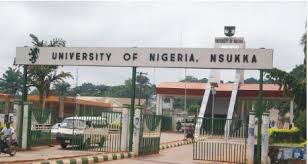
Postgraduate students at the University of Nigeria, Nsukka (UNN) staged a protest on March 16, 2026, over reported shortages of electricity, water supply and other essential services on campus.
The students marched to the Vice-Chancellor’s office to demand improved conditions for learning and welfare.
The University of Nigeria, Nsukka is one of Nigeria’s leading federal universities, known for its role in higher education and research.
Like many public institutions, it depends on infrastructure such as power, water and internet access to support academic activities.
Concerns over basic amenities in tertiary institutions have been raised in different parts of Nigeria, especially where infrastructure challenges affect both students and staff.
According to reports, the protest began at about 8:15 a.m., with postgraduate students gathering and moving toward the administrative office of the Vice-Chancellor.
The students demanded restoration of electricity and water supply, payment of cleaning staff and improved internet access on campus.
Protesters were heard chanting demands such as, “Give us light, give us water, pay our cleaners, fix our generator, give us internet.”
Reports also indicated that students had raised concerns over prolonged power outages and water shortages in hostels and other facilities.
Some accounts stated that the central water system had experienced issues prior to the protest.
Videos circulating online showed students gathered around water points, attempting to access limited supply. The situation was described as affecting daily activities and academic work.
There were also claims that cleaners had not been paid and that access to internet services was limited, though official confirmation from university authorities was not included in the report.
Disruptions to power and water supply can affect academic work, research and general living conditions for students, particularly at the postgraduate level where extended study hours and access to resources are required.
Challenges with campus infrastructure may also affect institutional operations, including sanitation services and digital access for learning and communication.
Such developments often draw attention to the need for maintenance of essential facilities in higher education institutions.