
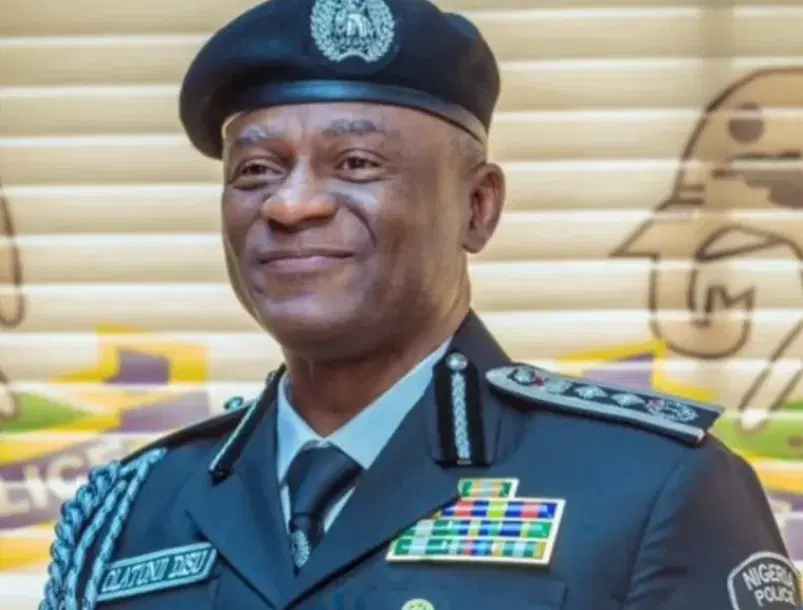
Nigeria’s Inspector General of Police, Olatunji Disu, has assured Nigerians that the 2027 election security arrangements will guarantee safe and secure voting despite the country’s worsening insecurity.
Disu gave the assurance in an interview with AFP as Nigeria prepares for the January 2027 presidential election, in which President Bola Tinubu is expected to seek re-election.
Previous elections in Nigeria have been affected by violence, including attacks linked to political thuggery, intimidation and ethnic tensions. The country is also battling jihadist insurgency and widespread kidnapping, particularly across parts of the north.
“We will have safe and secure voting in the country,” Disu said, adding that police officers were undergoing training to strengthen preparations for the election.
He also assured residents in violence-affected northern communities that they would be able to participate in the polls.
“Definitely people will be able to vote,” the police chief said when asked about voting in areas affected by insurgency and banditry.
However, some Nigerians have expressed concerns about travelling to their home communities, where they are registered to vote.
Disu said the police were working alongside other security agencies, including the military, to restore peace across the country and strengthen 2027 election security.
Nigeria is currently facing significant policing challenges. Conflict monitor ACLED has described the period since 2024 as the country’s most violent in almost three decades, with banditry and jihadist attacks driving much of the insecurity.
The police also face challenges involving inadequate resources, public trust and the uneven distribution of personnel across a population of about 240 million.
Against this backdrop, the Tinubu administration is pursuing reforms that would require a constitutional amendment to establish police forces controlled by Nigeria’s 36 states.
Disu said the Nigerian Police Force supports the proposal and had contributed to developing its framework.
Supporters argue that state police could respond more quickly to local security threats, while critics fear governors could use such forces against political opponents.
Disu said the federal police would retain oversight functions and that training would be standardised nationally to prevent abuses.
Disu, who assumed office in March, also disclosed plans to increase the federal police workforce from just under 300,000 officers to about 350,000.
The expansion is expected to include the resumption of regular recruitment, which he said had not been adequately maintained under previous leadership.
Technology is also being introduced into policing operations. According to Disu, 25 officers are currently undergoing specialised training as part of a police drone team.
The force is also analysing data with artificial intelligence to identify patterns and anticipate areas where banditry, insurgency and robbery may occur.
Despite these reforms, public confidence in the police remains a major concern following years of allegations of corruption and misconduct, as well as the force’s struggles against rising insecurity.
Disu defended the efforts of police officers, saying many continue to risk their lives while carrying out their duties.
“We are losing officers daily,” he told AFP.