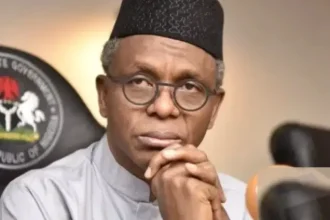
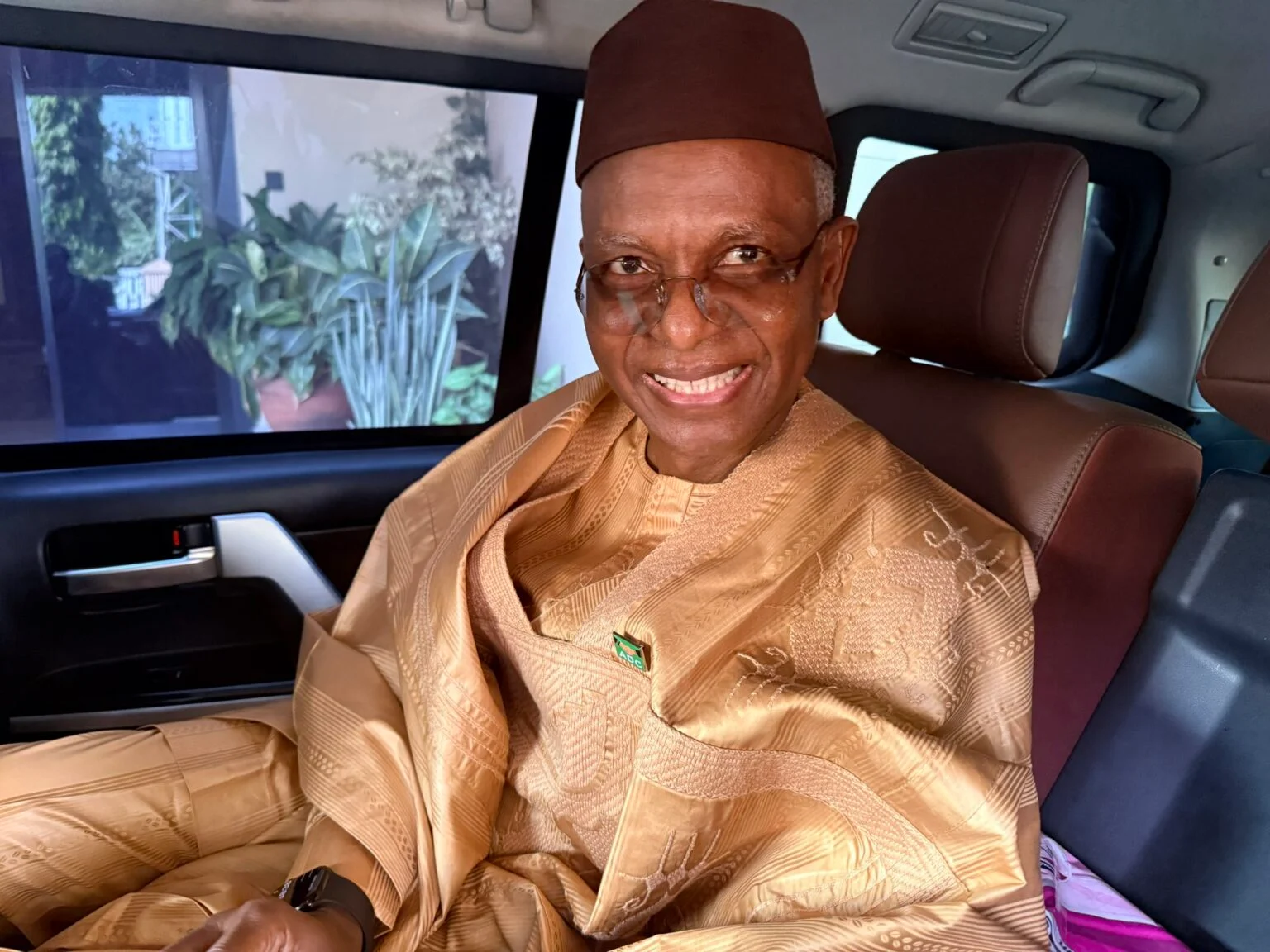
The El-Rufai released ICPC custody development has been confirmed, as former Kaduna State Governor Nasir El-Rufai regained his freedom after weeks in detention by the Independent Corrupt Practices and Other Related Offences Commission.
His son, Bashir El-Rufai, disclosed the release in a public statement, marking a new turn in the ongoing case.
The detention of El-Rufai had drawn national attention due to his profile as a former governor and key political figure.
He was taken into custody on February 18 as part of investigations into alleged financial misconduct and related matters.
The El-Rufai released ICPC custody update comes after several weeks of questioning and legal scrutiny by anti-corruption agencies.
The case reflects broader efforts by Nigerian authorities to investigate public officials over financial and administrative conduct while in office.
Developments surrounding the case had continued to generate reactions from political observers, legal analysts, and members of the public, especially given the overlapping involvement of multiple security and anti-graft institutions.
Confirmation of the El-Rufai released ICPC custody news came through a post by his son, Bashir El-Rufai, on X. He stated that his father had been freed from detention and expressed appreciation for public support during the period.
“My beloved great legend of a father (@elrufai) is being released…” Bashir wrote, describing the detention as unlawful while thanking supporters who stood by the family.
As of the time the report was filed, the Independent Corrupt Practices and Other Related Offences Commission had not issued an official statement detailing the conditions or terms of the release.
El-Rufai had remained in custody since mid-February, with investigations focusing on financial activities linked to his time in office.
The timing of his release coincided with personal developments within his family, as reports indicated that his mother passed away on the same day in Cairo, Egypt.
The El-Rufai released ICPC custody development carries political and legal implications, particularly in Nigeria’s evolving accountability landscape.
For public officials and institutions, the case underscores the growing scrutiny of financial management in public office.
For political stakeholders, the release may influence ongoing discussions around governance, transparency, and the role of anti-corruption agencies.
It also highlights the intersection between legal proceedings and public perception in high-profile cases.
In urban political and business environments, such developments can shape investor confidence and governance narratives, especially when they involve prominent figures with national influence.