
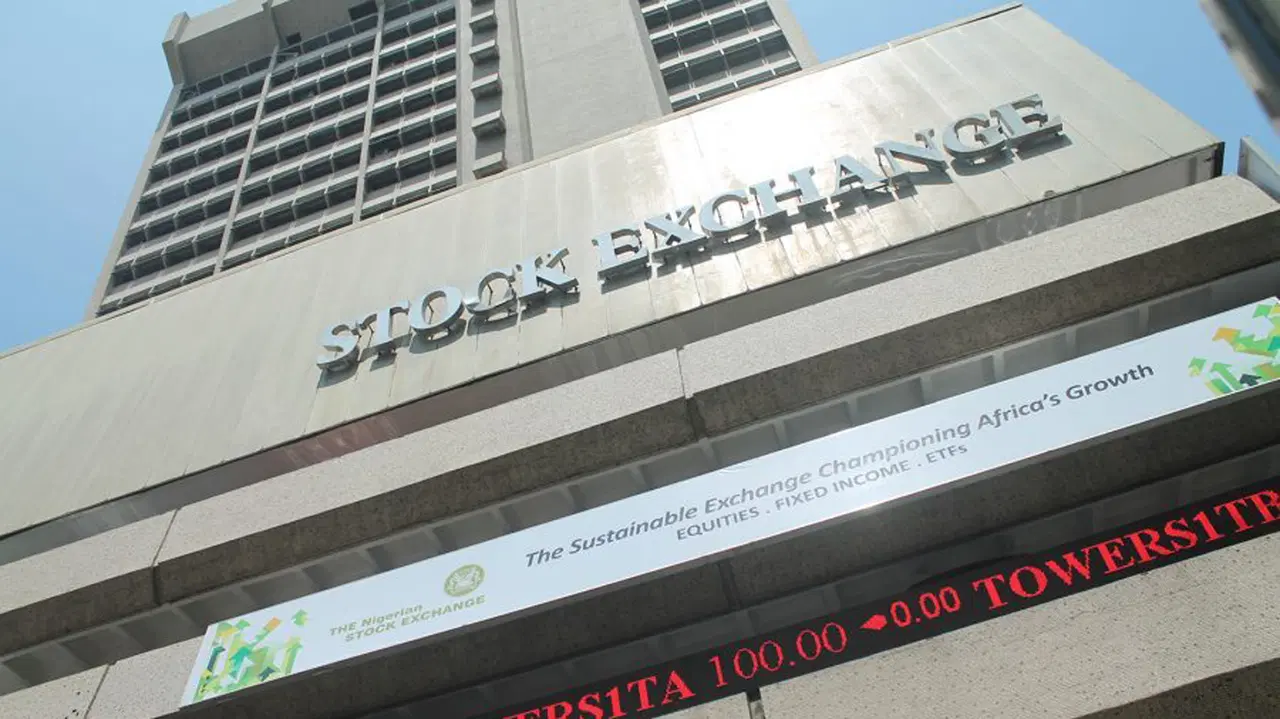
Nigeria’s financial market stakeholders are set to commemorate the transition to the T+1 settlement cycle, a development expected to improve transaction speed, market efficiency, and investor confidence within the country’s capital market system. The transition represents a major operational shift in post-trade settlement processes and aligns Nigeria with evolving global financial market standards.
The transition to the T+1 settlement framework means securities transactions executed on the Nigerian capital market will now be completed within one business day after trade execution instead of the previous two-day cycle.
Under the former T+2 arrangement, buyers and sellers had up to two business days to complete securities settlement processes. The new structure shortens the settlement timeline, allowing investors to access funds and securities more quickly. Stakeholders say the T+1 settlement cycle is designed to reduce counterparty risk, improve liquidity flow, and strengthen operational efficiency across Nigeria’s financial ecosystem.
The Nigerian capital market community plans to formally commemorate the operational transition through industry engagements involving regulators, market operators, financial institutions, and investors.
According to stakeholders, the milestone reflects years of technological upgrades, infrastructure improvements, and policy coordination among market institutions. Industry operators believe the transition demonstrates Nigeria’s readiness to modernise capital market operations in line with global best practices.
The T+1 settlement cycle has already gained international attention in several developed markets where faster settlement systems are increasingly viewed as critical to market competitiveness and investment attractiveness. Market participants say the transition will support greater efficiency in equities trading and broader financial market operations.
Analysts say the new settlement structure could improve investor confidence by reducing delays associated with transaction processing and fund transfers. Faster settlement cycles also lower operational exposure linked to unsettled trades and market volatility. Financial experts note that shorter settlement periods generally improve liquidity movement across the market because investors can reinvest proceeds more quickly. Institutional investors, brokerage firms, custodians, and market operators are also expected to benefit from reduced operational risks.
The implementation of the T+1 settlement cycle may further enhance Nigeria’s attractiveness to foreign portfolio investors seeking more efficient and technologically responsive financial markets. Industry observers believe improved settlement efficiency could contribute to stronger participation within the Nigerian capital market over time.
The transition required extensive collaboration among capital market regulators, clearing systems, brokerage firms, and financial institutions to ensure operational readiness. Stakeholders say digital infrastructure upgrades and automated settlement systems played a major role in supporting the migration process. Market operators also conducted stakeholder consultations and technical preparations before implementation.
The successful rollout of the T+1 settlement cycle highlights the increasing role of financial technology and digital integration within Nigeria’s evolving capital market environment. Experts say continued investment in cybersecurity, data management, and transaction infrastructure will remain essential as market systems become more digitised and interconnected.
Several major financial markets worldwide have already adopted or announced transitions toward shorter settlement periods as part of broader efforts to modernise securities trading systems. Analysts say Nigeria’s adoption of faster settlement standards may improve regional competitiveness and strengthen the country’s position within Africa’s investment landscape.
The move toward the T+1 settlement cycle also reflects broader efforts by Nigerian financial regulators to align domestic market operations with international standards capable of supporting long-term capital formation and investor protection. Market participants believe operational efficiency will remain increasingly important as global investors compare settlement speed, transparency, and reliability across different jurisdictions.