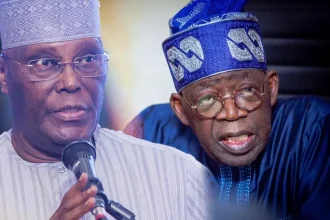
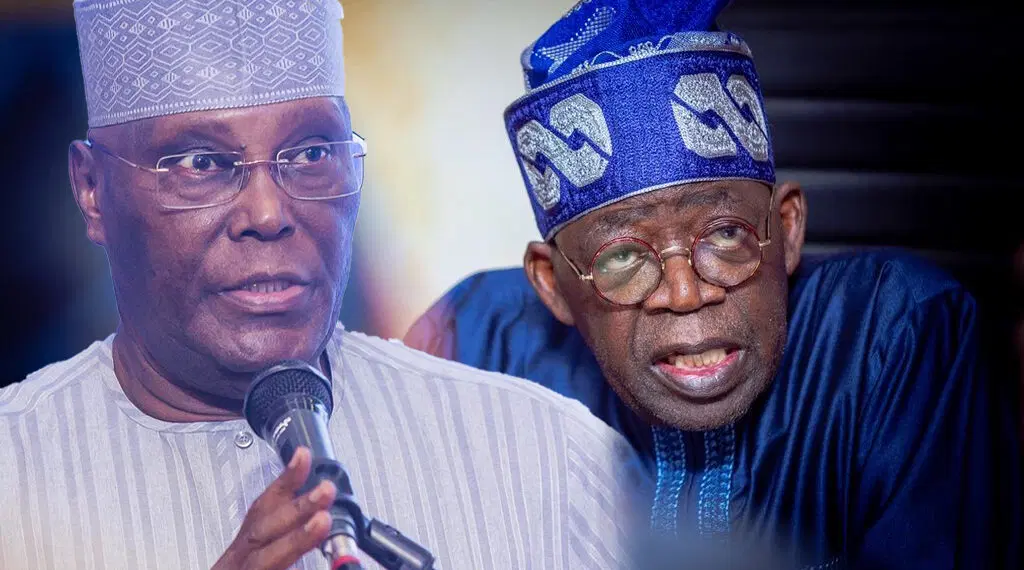
Nigeria loan debate has intensified after Atiku Abubakar criticised Bola Ahmed Tinubu over a proposed $516 million external loan. The request, submitted for Senate approval, is intended to finance parts of the Sokoto–Badagry Superhighway project. The Nigeria loan debate highlights growing concerns about rising debt and fiscal management. The criticism adds to ongoing discussions about sustainable financing for infrastructure development.
Nigeria has continued to rely on borrowing to fund major infrastructure projects. Large-scale road networks are seen as critical to improving connectivity and economic activity across regions. Projects like the Sokoto–Badagry Superhighway aim to link the Northwest and Southwest corridors.
However, concerns over Nigeria’s debt profile have remained a key policy issue. Economic analysts and political actors have raised questions about sustainability and repayment capacity. The Nigeria loan debate reflects broader scrutiny of how public funds are sourced and deployed.
Infrastructure financing often requires balancing development needs with fiscal responsibility. Governments face pressure to deliver projects while maintaining economic stability. This tension has shaped recent policy discussions.
In a statement issued by his aide, Phrank Shaibu, Atiku criticised the loan proposal and warned against what he described as reckless borrowing. He stated that “at a time when Nigeria is already groaning under the weight of unsustainable debt,” further borrowing raises serious concerns about accountability.
He acknowledged the importance of infrastructure development but stressed that it must be backed by transparency and clear financial planning. According to him, the loan lacks “transparent terms, clear cost-benefit analysis, and a credible repayment framework.” Atiku also cautioned against turning development projects into future debt burdens. He stated that development should not become “a euphemism for deepening debt traps that generations yet unborn will be forced to repay.”
He further raised concerns about procurement processes linked to similar projects. Referencing the Lagos–Calabar Coastal Highway, he noted that issues around transparency and competitive bidding had previously been questioned. The former vice president urged the National Assembly to subject the loan request to thorough scrutiny. He emphasised that all borrowing must align with public interest and deliver measurable economic value.
The Nigeria loan debate has implications for fiscal policy and economic planning. For businesses, rising national debt can influence inflation, exchange rates, and investor confidence. Infrastructure development remains essential for economic growth, especially in logistics and trade. However, financing methods can affect long-term economic stability.
For policymakers, the debate underscores the need for transparency in public borrowing. Clear frameworks for loan utilisation and repayment are critical for maintaining trust. Urban economies and entrepreneurs depend on improved infrastructure to scale operations. At the same time, macroeconomic stability is necessary to sustain growth.