
Obi leadership appeal has gained renewed attention after a Peoples Democratic Party chieftain stated that direct interaction with Peter Obi reveals a clear vision for Nigeria’s future. The remarks were made during a television interview discussing leadership credibility ahead of future elections. According to the chieftain, Obi leadership appeal, lies in his clarity of ideas and execution plans. The comments add to ongoing political conversations around leadership alternatives in Nigeria.
Nigeria’s political landscape continues to evolve ahead of the 2027 general elections. Political stakeholders are increasingly assessing leadership qualities and policy direction. Discussions around governance now focus on credibility, economic direction, and institutional reform.
Peter Obi has remained a central figure in these conversations. His previous presidential run positioned him as a major alternative voice outside traditional party structures. His messaging has often focused on fiscal discipline and governance reforms. Within the Peoples Democratic Party, internal debates have also intensified. Party members continue to express differing views on leadership direction and electoral strategy.
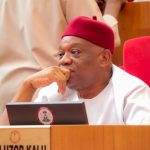
The Obi leadership appeal was highlighted by PDP chieftain Dan Ulasi during an interview on Arise TV. He stated, “If you listen to Peter Obi one-on-one, you will have hope for this country.” He added that such engagement would give “tremendous hope that somebody has a concept of what he wants to do.” Ulasi also disclosed that Obi had visited his residence multiple times in 2026. He noted that one visit occurred shortly after Obi’s appearance at Coal City University in Enugu.
Despite the positive remarks, Ulasi stopped short of declaring any formal political alignment. He clarified that his relationship with Obi dates back to earlier political interactions. He also expressed concerns about the PDP’s internal structure. According to him, the party faces challenges that may affect its ability to present a credible candidate in future elections.
The Obi leadership appeal reflects shifting dynamics in Nigeria’s political engagement. For voters, especially urban youth, leadership credibility remains a key decision factor. Personal engagement and clarity of vision are increasingly valued. For political parties, the development highlights growing competition beyond traditional party lines. Leaders with strong personal brands may influence voter alignment across party boundaries.
For businesses and investors, political stability and credible leadership remain critical. Clear policy direction and governance consistency can influence economic confidence and investment decisions. Urban professionals and entrepreneurs often track leadership narratives closely. Policy clarity and economic vision can shape expectations around business growth and market stability.