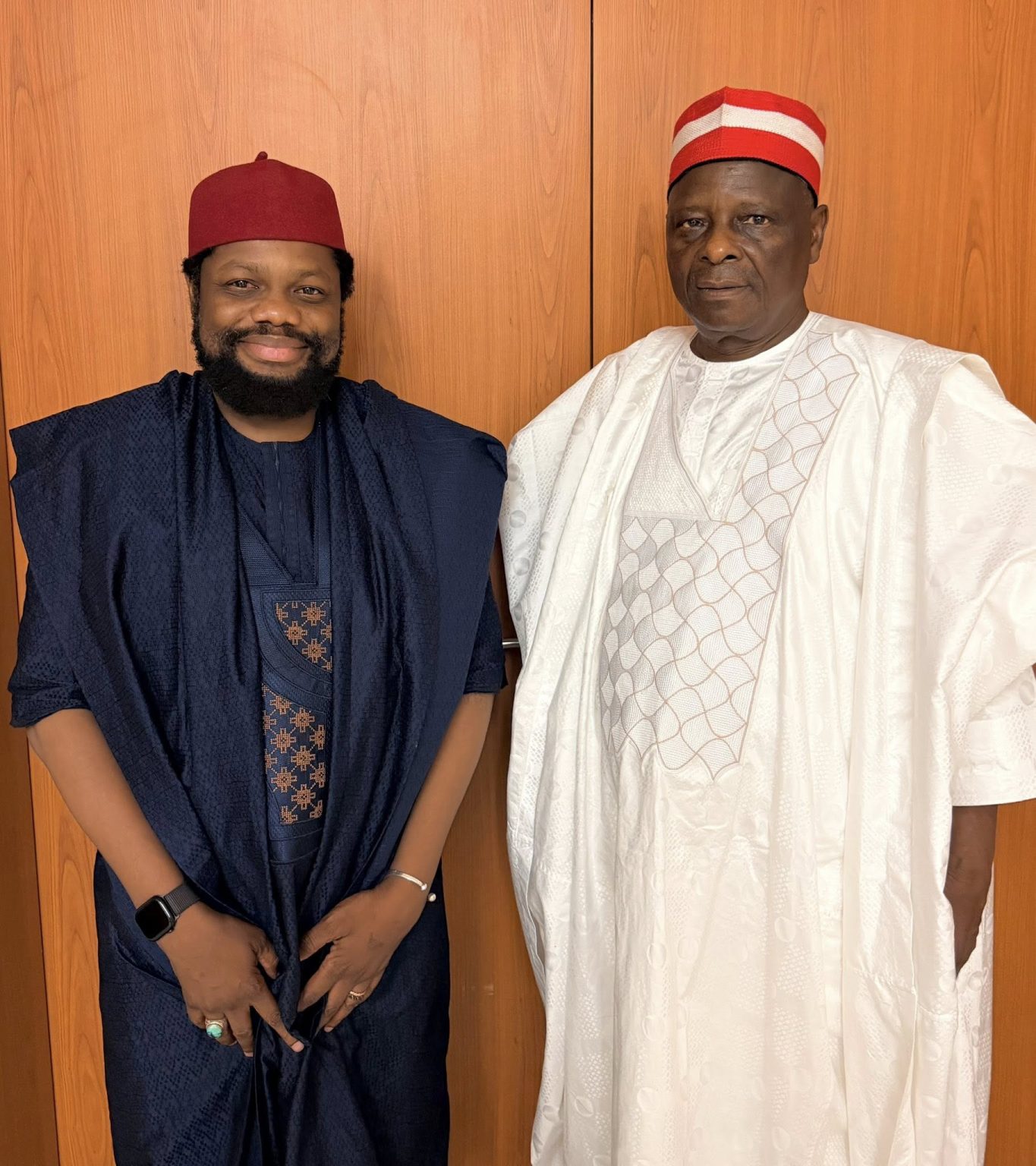
A fresh Kano political defection has stirred conversations within Nigeria’s evolving political landscape after a member of the Kano State House of Assembly, Abdulmajid Mai Rigar Fata, left the All Progressives Congress for the Nigeria Democratic Congress following internal party disputes over ticket allocation.
Mai Rigar Fata, who represents Gwale Constituency in the Kano State House of Assembly, formally joined the NDC on Thursday in Abuja. He was received by former Kano State governor and NDC leader, Rabiu Musa Kwankwaso, at his Maitama residence. The development was announced through a statement shared by Kwankwaso’s media aide, Saifullahi Hassan.
The lawmaker’s exit followed reports that he failed to secure the APC ticket required for another Assembly contest. According to reports, the disagreement emerged during the party’s internal selection process ahead of future elections.
Hassan stated that other political figures also joined the NDC alongside Mai Rigar Fata. They included former Gwale Local Government Vice Chairman, Kabiru Sani Auwal Obi, and Mahadi Isa Umar.
The latest Kano political defection reflects broader tensions currently affecting the APC across several Nigerian states. Recent primaries within the ruling party have produced disputes, disqualifications, and leadership disagreements involving lawmakers and aspirants nationwide.
Political analysts believe Kano remains one of Nigeria’s most influential political battlegrounds because of its voting population, commercial importance, and strong grassroots political structures. Party movements in the state often influence regional alliances and campaign strategies across northern Nigeria.
Mai Rigar Fata was first elected in 2023 under the New Nigeria Peoples Party before later aligning with the APC alongside Governor Abba Yusuf. His movement back into another opposition structure highlights growing political realignments within Kano’s competitive political environment.
The defection also came shortly after a Federal High Court ruling reportedly eased restrictions affecting politicians seeking alternative political platforms before elections. The African Democratic Congress reacted by saying the ruling could encourage more politicians to leave the ruling APC.
Industry observers note that such developments may affect campaign financing, grassroots mobilisation, and party loyalty structures ahead of future elections. For entrepreneurs and businesses operating in urban Kano, political uncertainty can also shape investment sentiment and policy expectations within local markets.
The ongoing Kano political defection trend further demonstrates how internal party contests increasingly influence Nigeria’s political stability. Analysts say parties may need stronger internal dispute mechanisms to reduce defections and preserve voter confidence.
For young political actors and civic groups, the situation highlights the importance of transparent candidate selection systems and stronger democratic participation within party structures. Political accountability and internal fairness continue shaping public trust in Nigeria’s electoral process.
As political alignments continue changing nationwide, Kano’s evolving power dynamics may remain central to discussions surrounding coalition building, voter influence, and strategic positioning ahead of upcoming elections.