
A proposed bill seeking to provide lifetime pensions and retirement benefits for former Speakers, Deputy Speakers, Principal Officers and members of the Plateau State House of Assembly has sparked widespread opposition from organised labour, civil society organisations and concerned residents.
The controversial Plateau Pension Bill, which passed its second reading during Tuesday’s plenary presided over by Speaker Daniel Nanlong, has been criticised as insensitive at a time when the state continues to grapple with insecurity, unemployment and economic hardship.
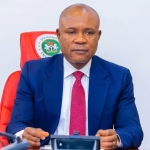
Sponsored by the lawmaker representing Rukuba-Irigwe Constituency, Eli Ankala, the bill proposes the establishment of a Plateau State House of Assembly Pension Board to oversee pension administration, maintain beneficiary records and improve transparency in the payment of retirement benefits to former lawmakers.
Presenting the legislation, Ankala argued that the proposed board would create a structured and accountable pension system while eliminating irregularities such as ghost beneficiaries through proper documentation, regular verification and effective data management.
However, the proposal immediately attracted criticism from several quarters, with many questioning the Assembly’s priorities amid the state’s prevailing socio-economic challenges.
The controversy deepened after the Assembly’s Minority Leader, Dewan Gabriel, publicly denied sponsoring or supporting the legislation despite reports linking him to it. Gabriel stated that his name had been included among the bill’s co-sponsors without his knowledge or approval, insisting that his legislative focus remains on promoting transparency, accountability and policies capable of improving the welfare of Plateau residents.
The Nigeria Labour Congress (NLC) in Plateau State strongly opposed the proposed legislation, describing it as ill-conceived and disconnected from the realities facing workers and ordinary citizens.
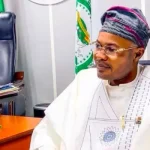
Speaking on the matter, Plateau NLC Chairman Eugene Manji argued that lawmakers should prioritise legislation aimed at improving security, strengthening the economy and enhancing public welfare instead of pursuing additional retirement benefits for elected officials. He questioned the justification for granting lifetime pensions to lawmakers who may have served only a single term while many career civil servants retire after decades of service with limited benefits.
According to the labour leader, the NLC is prepared to resist the proposal, warning that organised labour would not allow the legislation to stand if passed. Leaders of the NLC, the Trade Union Congress (TUC) and allied civil society organisations have also hinted at staging a protest at the Plateau State House of Assembly complex on July 30 should the bill remain under consideration.
A coalition comprising 21 civil society organisations also condemned the bill, describing it as self-serving, economically burdensome and inconsistent with principles of accountable governance.
In a statement signed by its Convener, Steve Aluko, the coalition expressed concern over what it described as the speed with which the legislation progressed through the Assembly without adequate public consultation. The group argued that citizens, labour unions, pensioners, professional bodies and economic experts had not been given an opportunity to examine the contents of the bill despite its potential financial implications.
The coalition called on lawmakers to suspend further consideration of the legislation, publish its full contents and organise an open public hearing to allow wider stakeholder participation. It also urged Governor Caleb Mutfwang to withhold assent if the bill eventually reaches his desk in its current form.
Executive Director of the Youth Initiative Against Violence and Human Rights Abuse (YIAVHA), Jacob Pwakim, criticised the proposal, saying it demonstrated a disconnect between elected representatives and the everyday realities confronting Plateau residents. According to him, introducing a lifetime pension bill while communities continue to battle insecurity and economic difficulties reflects misplaced priorities.
Similarly, Executive Director of the Civil Liberties Organisation (CLO), Steve Aluko, accused lawmakers of pursuing personal interests instead of focusing on legislation that addresses citizens’ needs. He argued that several states are already reviewing or abolishing generous severance packages for political office holders, making the current proposal particularly difficult to justify.
Professor of International Relations and Strategic Studies, Prof. Chris Kwaja, also criticised the proposed legislation, describing it as reckless and warning that it could encourage what he termed a culture of “kleptocratic rule.” He maintained that granting lifetime pensions to lawmakers after relatively short periods in office would amount to an abuse of public trust and called on citizens to oppose the measure.
As opposition to the Plateau Pension Bill continues to grow, public attention has shifted to whether lawmakers will suspend further legislative action and subject the proposal to broader public scrutiny. While supporters insist the legislation is intended to establish a transparent pension administration framework for former lawmakers, critics argue that the Assembly should instead prioritise policies capable of tackling insecurity, unemployment, poverty and the welfare of ordinary citizens.
With organised labour threatening protests and civil society groups calling for the governor to reject the bill if passed, the future of the proposed legislation is likely to depend as much on public resistance as on legislative deliberations.