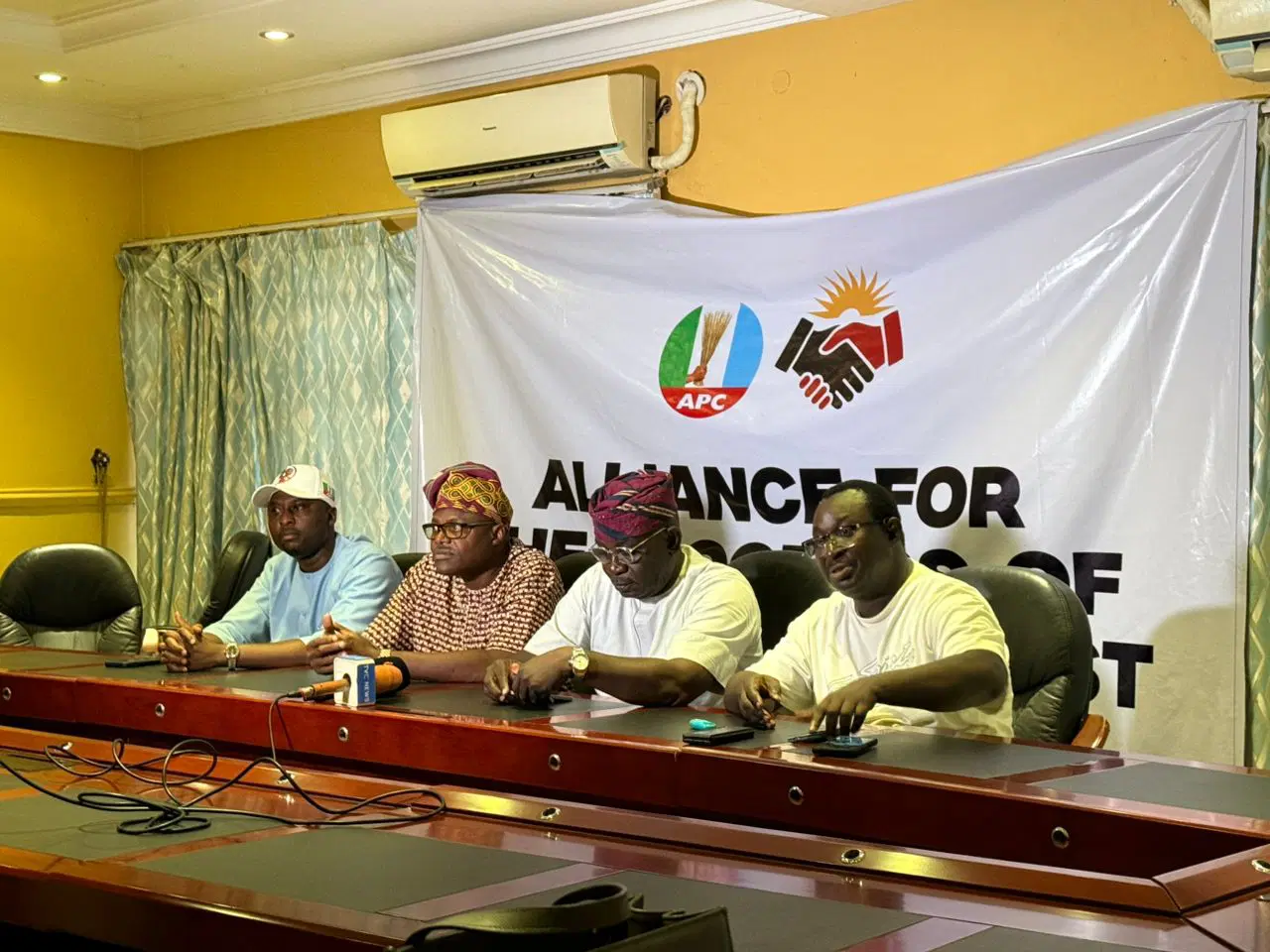
The consensus candidate arrangement has triggered resistance within the Ondo State chapter of the All Progressives Congress. Several governorship aspirants rejected moves to adopt a single agreed flagbearer. They insisted on competitive primaries instead of selection by agreement. The consensus candidate debate has intensified internal party tensions ahead of 2027 elections.
The consensus candidate approach is often used by political parties to reduce internal conflict. It allows stakeholders to agree on a single aspirant before primaries. However, it frequently faces resistance from contestants seeking open competition.
In Ondo State, preparations for the next electoral cycle have increased political consultations. Party leaders and stakeholders have been meeting across zones. These discussions aim to balance unity with internal democracy.
The APC has previously adopted both consensus and direct primary methods in different states. Each method has produced mixed outcomes in terms of unity and post-election stability. The current debate reflects ongoing tensions within party structures.
Aspirants opposing the consensus candidate plan argued that it limits fair competition. They maintained that every aspirant should have equal opportunity to contest. Their position aligns with calls for transparent internal democracy. Party elders had earlier advised consultations before any decision on candidate selection. They encouraged dialogue among stakeholders to avoid internal disputes.
Governor Lucky Aiyedatiwa urged party members to avoid divisive politics. He called for unity and respect for party decisions during the process. He also advised aspirants to accept outcomes in good faith. Despite these interventions, resistance to the consensus candidate arrangement remains strong among some aspirants. They continue to push for direct primaries as the preferred method.
Party leadership has indicated that a final decision will follow further consultations. Both consensus and direct primary options remain under consideration. The process is expected to align with party guidelines and electoral regulations.
The consensus candidate debate highlights internal democratic challenges within political parties. Decisions on candidate selection often shape party unity and electoral strength. For Ondo State politics, unresolved disagreements may influence campaign alignment and voter mobilisation. Aspirants are already strengthening grassroots networks ahead of primaries.
For businesses and urban stakeholders, political stability is tied to policy continuity. Internal party disputes can affect governance focus and development planning. The outcome of the consensus candidate process will likely shape APC’s competitiveness in the 2027 elections. It also reflects broader national debates on internal party democracy.