
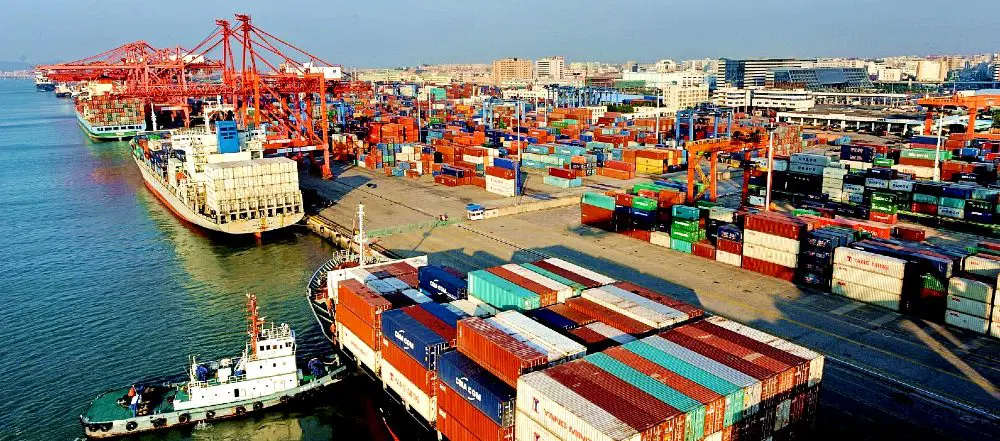
The Federal Government has announced plans to clear the Apapa Tin Can corridors through a coordinated enforcement exercise aimed at restoring order along Lagos port access roads. The initiative is designed to address persistent congestion, illegal parking of trucks, and other operational bottlenecks affecting cargo movement in Nigeria’s busiest maritime gateways. The Apapa Tin Can corridors have long been central to discussions on trade efficiency, logistics costs, and port access delays in the country.
The initiative is being driven through the Presidential Enabling Business Environment Council, PEBEC, via its Ports and Customs Efficiency Committee. The exercise is scheduled to take place over two days on May 14 and 15, 2026.
According to the official statement, the operation targets long-standing challenges affecting port access roads in Lagos. These include traffic congestion, indiscriminate parking of articulated vehicles, illegal checkpoints, environmental degradation, and unregulated activities along port routes.
The Apapa Tin Can corridors serve as critical gateways to Nigeria’s busiest seaports, handling a significant share of the country’s import and export traffic. Persistent congestion in the area has contributed to delays in cargo movement and increased operational costs for businesses.
PEBEC stated that the enforcement operation will be carried out in collaboration with multiple agencies, including the Nigerian Ports Authority, Nigeria Customs Service, Nigeria Police Force, Lagos State Government, terminal operators, and relevant unions.
The exercise is aimed at restoring order, improving traffic flow, and eliminating operational bottlenecks within the Apapa Tin Can corridors. Authorities said the action will also address environmental sanitation and remove illegal structures obstructing port access routes.
The Director General of PEBEC, Princess Zahrah Mustapha Audu, explained that the initiative forms part of broader federal reforms to improve Nigeria’s business environment and strengthen trade facilitation systems.
The Apapa Tin Can corridors enforcement is also expected to improve coordination among security and regulatory agencies operating within the port environment.
Nigeria’s port corridors remain central to national logistics performance due to their role in cargo handling and maritime trade. Congestion along these routes has long contributed to high demurrage charges, delayed shipments, and increased cost of doing business.
By targeting operational inefficiencies, the government aims to improve cargo evacuation speed and reduce bottlenecks affecting importers and exporters. The Apapa Tin Can corridors are expected to benefit from improved traffic management and stronger regulatory enforcement following the exercise.
Stakeholders in the maritime sector have consistently linked corridor congestion to reduced port competitiveness in West Africa. Efforts to streamline access are therefore viewed as essential to strengthening Nigeria’s trade position in the region.