Strong Lagos IGR growth has pushed the state’s total revenue generation to N2.6 trillion in 2025, reinforcing Lagos’ position as Nigeria’s leading economic hub and largest internally generated revenue contributor.
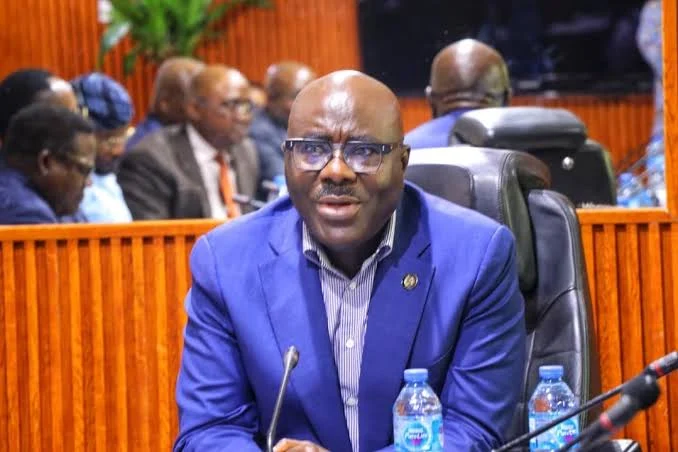
The disclosure was made by the Commissioner for Economic Planning and Budget, Ope George, during the 2026 budget analysis and 2025 budget performance review held in Alausa, Ikeja. According to the commissioner, Lagos recorded an 18.5 percent increase in internally generated revenue compared to the previous fiscal period.
George explained that the state generated N2.08 trillion from internally generated revenue sources while additional inflows came from federal allocations, grants, and other statutory earnings. He stated that Lagos maintained strong fiscal discipline despite inflationary pressure, exchange rate volatility, and broader economic challenges affecting Nigeria’s economy.
The commissioner said the government achieved the performance through tax administration reforms, improved compliance systems, digital revenue monitoring, and broader economic expansion across commercial sectors. According to him, the state also intensified automation within revenue collection channels to reduce leakages and improve transparency.
The latest Lagos IGR growth highlights the increasing importance of subnational revenue generation within Nigeria’s evolving economic environment. Lagos remains central to Nigeria’s banking, technology, entertainment, trade, logistics, and real estate industries, contributing significantly to national GDP.
Officials also disclosed that capital expenditure implementation improved during the fiscal year, with investments directed toward transport infrastructure, healthcare, housing, education, and environmental sustainability projects. The government maintained that infrastructure expansion remained critical for supporting Lagos’ rapidly growing urban population.
Economic analysts say Lagos’ revenue expansion reflects the resilience of private businesses operating across the state’s urban economy. Sectors including fintech, retail commerce, hospitality, transportation, and digital services continued attracting investment despite rising operating costs nationwide.
For entrepreneurs and SMEs, sustained Lagos IGR growth may improve the government’s capacity to fund infrastructure projects that directly support business operations. Better roads, transport systems, power initiatives, and digital infrastructure can reduce operating expenses and improve productivity for urban businesses.
The development also signals stronger fiscal independence for Lagos compared to many Nigerian states still heavily dependent on federal allocations. Analysts note that internally generated revenue remains essential for long-term economic planning, debt management, and sustainable urban development.
George stated that Lagos would continue strengthening its tax systems without overburdening residents or businesses. He added that expanding the tax net through formalisation and compliance remained a priority for maintaining stable revenue performance.
The state government also linked improved revenue performance to growing investor confidence within Lagos’ economy. Major infrastructure projects, urban regeneration initiatives, and public-private partnerships have continued attracting local and foreign investment into strategic sectors.
Observers believe the current Lagos IGR growth trend may influence fiscal policies across other Nigerian states seeking stronger economic sustainability. Several states are already reviewing digital tax systems, business registration frameworks, and investment incentives to improve local revenue generation.
As Nigeria’s commercial capital continues expanding, Lagos’ revenue performance demonstrates how urban economies, technology-driven governance, and structured tax reforms increasingly shape public finance management within Africa’s largest economy.