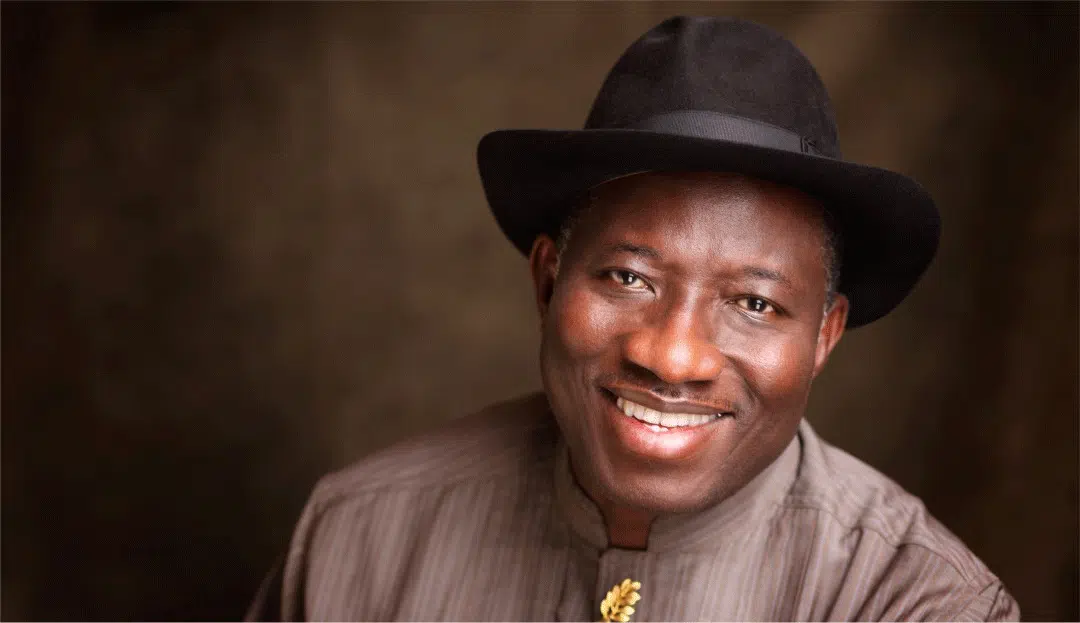
Former President Goodluck Jonathan’s reported presidential ambition has become entangled in the growing crisis as rival factions within the Peoples Democratic Party continue battling for control ahead of the 2027 elections. Tension escalated after conflicting signals emerged from the camps aligned with former Minister Kabiru Tanimu Turaki and Federal Capital Territory Minister Nyesom Wike over Jonathan’s possible participation in the presidential race. The deepening Jonathan PDP crisis has further exposed divisions within Nigeria’s main opposition party as preparations for the next election cycle intensify.
The latest controversy followed reports that Jonathan could obtain a presidential nomination form before the close of submissions by one of the rival PDP leadership blocs. The situation immediately triggered competing reactions from both camps struggling for influence within the party structure.
The Turaki-led bloc and the Wike-backed National Working Committee have remained at loggerheads over party leadership legitimacy and recognition by the Independent National Electoral Commission, INEC. The internal conflict has increasingly complicated the PDP’s preparations ahead of the 2027 presidential contest.
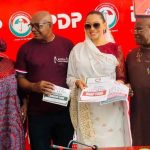
According to Vanguard, the Jonathan PDP crisis intensified after the Wike-backed faction publicly dismissed suggestions that the former president was politically aligned with them. Mohammed Haruna Jungudo, National Publicity Secretary of the Wike-aligned PDP National Working Committee, said Jonathan had neither purchased the group’s nomination form nor engaged politically with the camp.
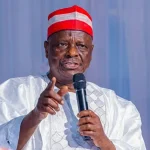
At the same time, Ini Ememobong, spokesperson for the Turaki faction, maintained that Jonathan remained a PDP member free to determine his political future within the party.
Speaking to Vanguard in Abuja, Jungudo rejected claims that Jonathan was connected to the Wike-backed structure. He stated: “Goodluck has not purchased our form yet and he has not been romancing with us, so we are not expecting him to come.”
The statement further highlighted uncertainty surrounding Jonathan’s exact political intentions ahead of the election cycle. As of the time of reporting, Vanguard noted that the former president had not obtained nomination forms from either faction despite speculation surrounding his possible ambition.
The ongoing Jonathan PDP crisis has also drawn attention because of the legal and organisational confusion affecting the opposition party. The Turaki camp reportedly informed INEC of its leadership claims and is awaiting official recognition from the electoral commission. Meanwhile, political stakeholders continue monitoring how the internal struggle may affect PDP’s ability to present a united front ahead of the presidential election.
The controversy surrounding Jonathan’s possible return has also extended into legal disputes. Vanguard reported that proceedings in a lawsuit challenging Jonathan’s eligibility to contest the 2027 presidential election recorded fresh developments following allegations of bias against the presiding judge.
The crisis therefore now combines leadership disputes, legal uncertainty, and competing political interests within the opposition party. Analysts note that prolonged factional battles could weaken the PDP’s ability to organise effectively before the elections. Political observers also believe the uncertainty surrounding Jonathan’s position reflects wider struggles within opposition politics, where coalition-building and leadership negotiations remain unresolved ahead of 2027.
The growing divisions within the PDP come at a critical period when opposition parties are attempting to rebuild public confidence and strengthen electoral competitiveness against the ruling APC.
Analysts warn that unresolved leadership disputes may affect fundraising, candidate selection, grassroots mobilisation, and coalition negotiations ahead of the elections. The prolonged Jonathan PDP crisis may also influence strategic calculations by other presidential hopefuls within the opposition space.
For voters and political stakeholders, the unfolding developments highlight continuing instability within Nigeria’s opposition landscape more than a year before party primaries are expected to intensify nationwide.