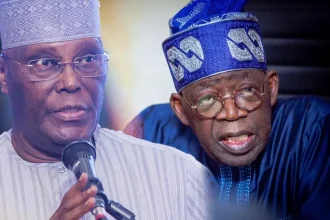
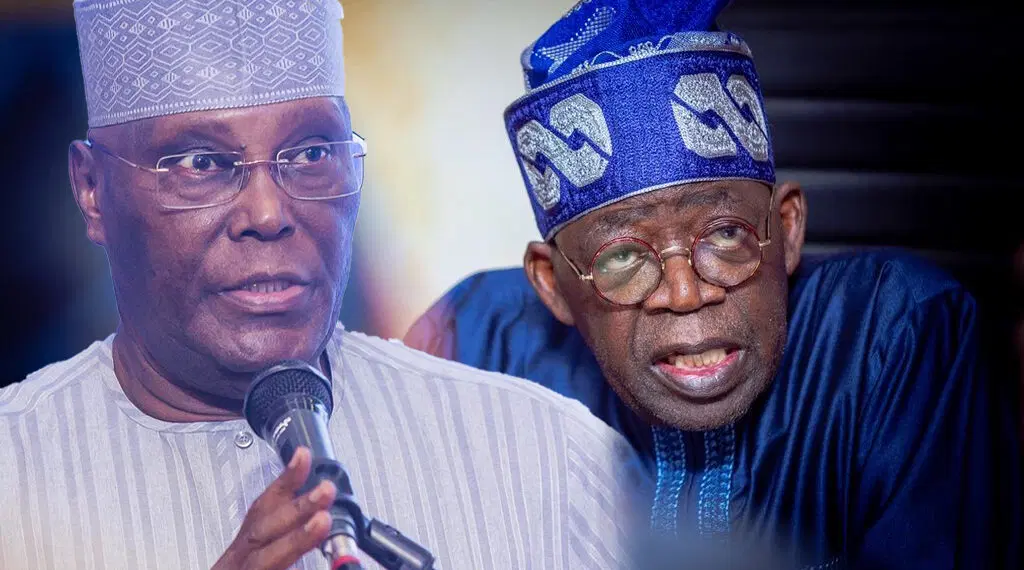
Atiku criticise Tinubu has become a central theme in Nigeria’s political discourse following renewed remarks on privatisation and the rising cost of living. Former Vice President Atiku Abubakar challenged President Bola Ahmed Tinubu’s position on economic reforms and past policies. The criticism comes amid growing public concern over inflation and household expenses.
The exchange reflects deepening debate over economic direction and governance.
The criticism came at a time when Nigeria is navigating complex economic reforms, including subsidy removal and foreign exchange adjustments. These policies have contributed to rising prices of goods and services across the country.
Atiku Abubakar previously led the National Council on Privatisation during his tenure as Vice President. His role in restructuring state-owned enterprises continues to shape discussions on economic management.
President Bola Ahmed Tinubu’s administration has focused on liberalising key sectors of the economy. However, these reforms have faced criticism due to their immediate impact on living conditions. The exchange between both leaders highlights broader political positioning as economic issues dominate public conversation.
Atiku criticise Tinubu was articulated through a statement issued by his media aide, Phrank Shaibu. The statement described the president’s earlier comments as “a reckless tirade.”
It further accused Tinubu of “hypocrisy, historical distortion and intellectual dishonesty” in his assessment of past privatisation efforts. The response defended reforms carried out under Atiku’s supervision, citing companies such as Oando Plc, Conoil Plc, Ardova Plc, Indorama Eleme Petrochemicals, Benue Cement Company, and Transcorp Hilton Abuja.
The statement argued that these entities remain operational and continue to contribute to Nigeria’s economy. It contrasted this with claims that current policies lack transparency and clear valuation frameworks.
Atiku criticise Tinubu also addressed the rising cost of living, linking economic hardship to ongoing reforms affecting fuel prices and currency value. The response suggested that policy implementation has placed pressure on households and businesses.
The criticism followed earlier remarks by the president questioning Atiku’s economic record, setting the stage for continued public exchange between both figures.
Atiku criticise Tinubu underscores the importance of economic policy in shaping political narratives ahead of future elections. Rising living costs have made economic management a key issue for both leaders and citizens.
For businesses, the debate reflects uncertainty around policy continuity and investment climate. Clear direction on privatisation and economic reforms remains critical for long-term planning.
For citizens, the exchange highlights competing perspectives on how best to manage economic challenges. Public response to these narratives may influence political alignment and voter behaviour.
For policymakers, the situation reinforces the need for transparent communication and measurable outcomes. Effective policy implementation will remain central to building trust and ensuring stability. The discussion also signals early political positioning as stakeholders evaluate economic performance.