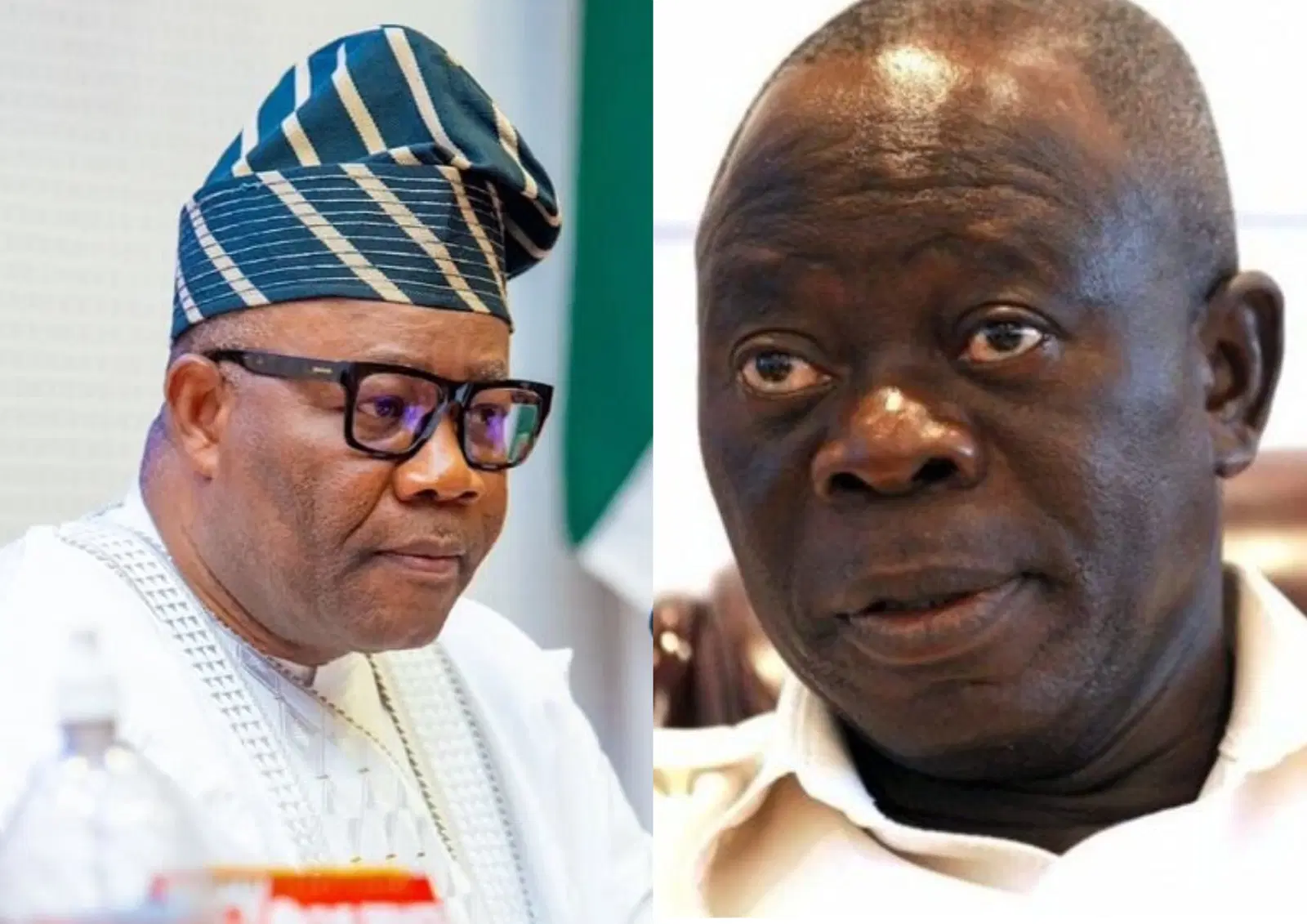
A tense drama in senate disrupted plenary proceedings as Senate President Godswill Akpabio and Senator Adams Oshiomhole engaged in a heated exchange over amended standing rules. The confrontation stalled legislative activities for over 15 minutes during a session in Abuja. The disagreement reflects growing tensions around new provisions affecting leadership eligibility and procedural conduct.
The drama in senate follows recent amendments to the upper chamber’s standing rules. Lawmakers approved changes requiring at least two consecutive terms before contesting principal leadership positions.
This adjustment significantly narrows the pool of eligible candidates. It affects both current members and future entrants into the National Assembly. The rule change has generated debate over inclusiveness and legislative experience. Political analysts note that such reforms often shape internal power dynamics. Leadership positioning within the Senate remains a critical factor in Nigeria’s governance structure.
The clash began during the review of Votes and Proceedings. Senator Oshiomhole raised a point of order to challenge procedural handling. Senate President Akpabio ruled him out of order, citing existing rules. Akpabio stated that points of order were not allowed at that stage. Despite repeated warnings, Oshiomhole continued to press his objection.
The exchange quickly escalated into a heated confrontation. Akpabio warned that he could invoke disciplinary rules if the disruption continued. Other lawmakers attempted to calm the situation. However, the disagreement persisted for over 15 minutes before order was restored.
Oshiomhole had earlier expressed concerns about the amended rules. He argued that competence should outweigh tenure in determining leadership eligibility. Akpabio defended the amendments, stating they would strengthen institutional stability. He maintained that experience remains essential for effective leadership.
The drama in senate highlights internal divisions within Nigeria’s legislative system. Procedural disagreements can slow down decision-making processes. For political stakeholders, the clash signals rising competition over leadership roles. Rule changes that limit eligibility may reshape future power dynamics.
For governance, sustained tensions could affect legislative productivity. Stability within the Senate remains important for policy continuity. For observers, the situation underscores the need for clear communication around reforms. Transparent processes may reduce friction and build institutional trust.