The National Identity Management Commission (NIMC) has issued a public warning to Nigerians over the emergence of a fake NIN portal being used to deceive citizens seeking corrections to their National Identification Number records. The commission cautioned members of the public against patronising unauthorised websites and individuals claiming to offer official NIN modification services outside approved channels.
In a statement, NIMC said it had become aware of a fraudulent online platform allegedly presenting itself as an authorised channel for National Identification Number data corrections. According to the commission, the website is not affiliated with NIMC and has no approval to provide identity management services on behalf of the agency. Officials warned that unsuspecting citizens could expose their personal information to fraudsters by using such platforms.
The commission stressed that all NIN-related services must be conducted through officially approved channels and accredited service points. The warning follows increasing concerns over the activities of operators behind the fake NIN portal.
NIMC urged Nigerians seeking corrections to personal records, including names, dates of birth, addresses, and other biodata, to use only authorised platforms designated by the commission. The agency emphasized that legitimate NIN modification services are available through official procedures established to protect citizens’ information and maintain the integrity of the national identity database.
Officials noted that identity data remains highly sensitive and should never be submitted through unverified websites or third-party operators claiming unofficial access to government systems. The commission reiterated that engagement with a fake NIN portal could result in data theft, financial loss, or identity fraud.
The National Identity Management Commission highlighted the importance of safeguarding personal information in an increasingly digital environment. Experts have repeatedly warned that cybercriminals often exploit public demand for government services by creating websites that mimic legitimate platforms. Such websites are designed to collect sensitive information from unsuspecting users.
Identity theft remains a growing concern globally, with fraudsters using stolen personal data to commit financial crimes, impersonation, and other illegal activities. NIMC stated that avoiding any fake NIN portal is essential to protecting citizens from such risks.
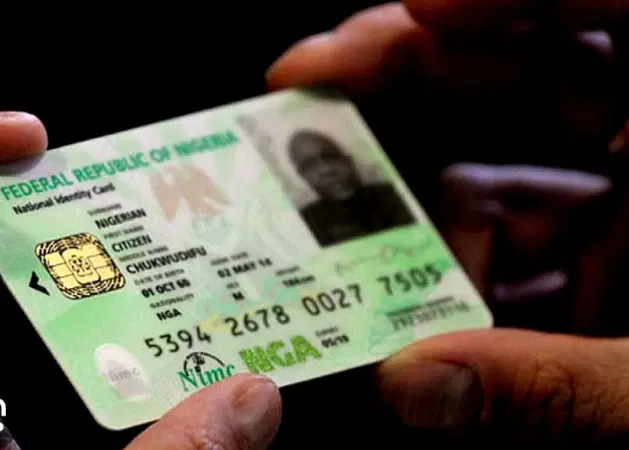
The National Identification Number has become a critical component of Nigeria’s digital identity framework. NIN is required for access to numerous services, including banking, telecommunications registration, government programmes, and various public sector transactions. As a result, millions of Nigerians regularly seek updates and corrections to their records.
Given the growing reliance on identity verification systems, authorities say criminals may attempt to exploit public demand through fraudulent schemes. The emergence of a fake NIN portal highlights the need for greater vigilance when accessing identity-related services online.
The commission encouraged Nigerians to verify information through official NIMC communication channels before acting on advertisements, messages, or websites offering NIN-related services.
Citizens were also advised to report suspicious platforms and individuals claiming to provide unauthorised identity management services. According to NIMC, public cooperation remains vital in combating identity-related fraud and protecting the integrity of the national database.
The agency assured Nigerians that efforts are ongoing to identify and address activities that threaten the security of the national identity ecosystem. Officials maintained that no fake NIN portal should be trusted under any circumstances.
The warning underscores broader challenges associated with digital transformation and online service delivery. As more government services move online, cybersecurity experts say public awareness will remain essential for protecting users against scams and fraudulent schemes. Trust in digital identity systems depends on secure processes, verified platforms, and responsible data management.
Analysts believe continuous public education can help reduce exposure to cyber threats while strengthening confidence in digital governance initiatives. The latest alert concerning a fake NIN portal serves as a reminder that citizens must remain cautious when sharing personal information online.