
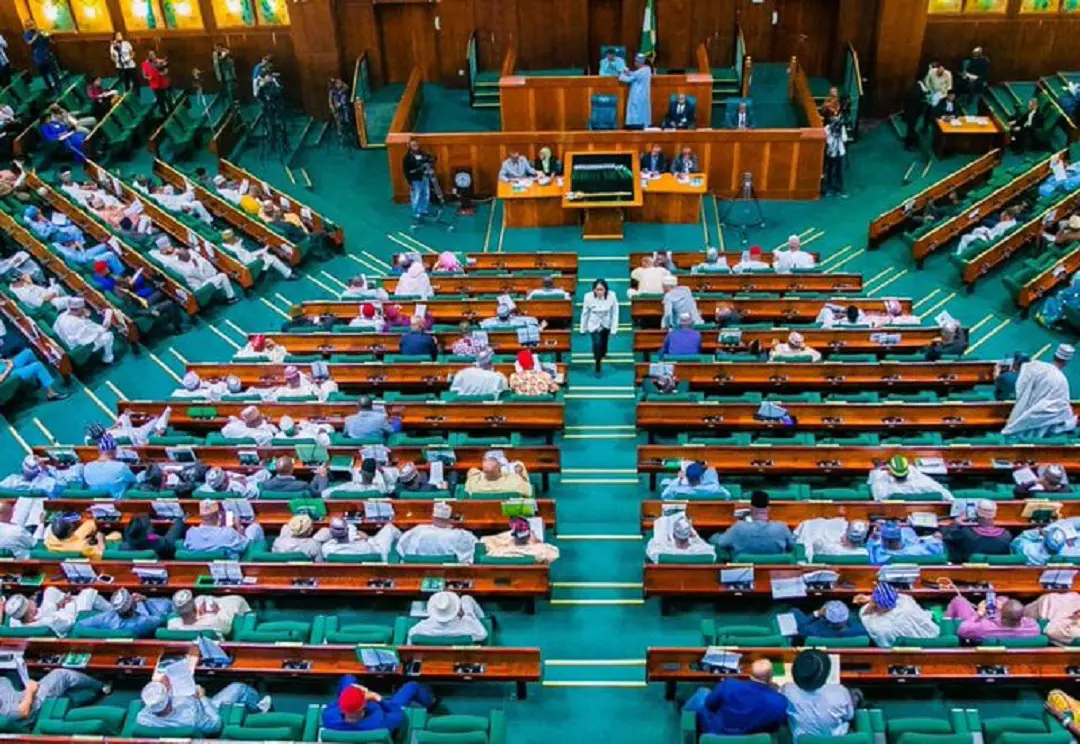
Fresh House defections have emerged in the House of Representatives following the decision of three lawmakers to leave the All Progressives Congress (APC) for the Peoples Redemption Party (PRP) and the African Democratic Congress (ADC). The defections were formally announced during plenary, adding to the growing political realignments taking place ahead of the 2027 general election.
The development was made public on the floor of the House of Representatives through official correspondence notifying the leadership of the lawmakers’ decision to leave the ruling party. The affected legislators cited political developments within the APC as reasons for their departure. Their letters were read during plenary in accordance with parliamentary procedures governing changes in party affiliation by elected lawmakers.
The move immediately attracted attention among members of the National Assembly and political observers monitoring evolving alignments ahead of future elections. These latest House defections further highlight the shifting dynamics within Nigeria’s political landscape.
Following their exit from the APC, the lawmakers announced their decision to join the Peoples Redemption Party and the African Democratic Congress. Both parties have recently attracted increased attention as politicians explore alternative platforms in preparation for future electoral contests. Political analysts say smaller parties often experience heightened activity during periods of political restructuring and coalition-building.
The movement of sitting lawmakers into opposition parties is widely viewed as a significant development because it can influence legislative relationships and party strength within parliament. The new House defections therefore carry implications beyond the immediate political fortunes of the individuals involved.
The formal announcement followed established parliamentary procedures requiring lawmakers to notify the House leadership when changing political parties. Such declarations become part of the official legislative record and often trigger political debate regarding representation, party loyalty, and constitutional provisions relating to party membership.
Members present during plenary listened as the notices were presented, marking another chapter in ongoing political changes across the country’s democratic institutions. Observers noted that the House defections reflect broader political movements already visible across several states and political parties.
As preparations gradually begin for the 2027 general election, political actors across the country continue to reposition themselves within existing and emerging alliances. Several politicians have either switched parties or openly expressed dissatisfaction with their current political platforms in recent months. Analysts attribute the trend to internal party disputes, strategic calculations, and efforts to secure favourable political opportunities ahead of future contests.
Political realignments are a recurring feature of Nigeria’s democratic process, particularly during periods leading to major elections. The latest House defections have therefore been interpreted as part of a broader wave of political repositioning.
Although the departure of three lawmakers may not immediately alter the overall balance of power in the House of Representatives, the development remains politically significant. Party strength within legislative chambers often influences committee assignments, leadership negotiations, policy discussions, and coalition-building efforts. As more political actors review their positions, further changes could affect relationships among parties represented in parliament.
Political observers say defections often serve as indicators of wider sentiments within political organisations. For that reason, the recent House defections are expected to remain a subject of discussion among stakeholders in the political space.
The movement of lawmakers to PRP and ADC reflects the increasing visibility of alternative political parties seeking greater national relevance. These parties have continued efforts to attract elected officials, expand their membership base, and position themselves as viable platforms for future elections. Their ability to attract serving legislators may enhance their profile among voters and political stakeholders.
Analysts believe the success of such efforts will depend on organisational strength, grassroots mobilisation, and the ability to build sustainable political structures. The current House defections could therefore contribute to changing perceptions about the role of smaller parties in Nigeria’s democratic system.