
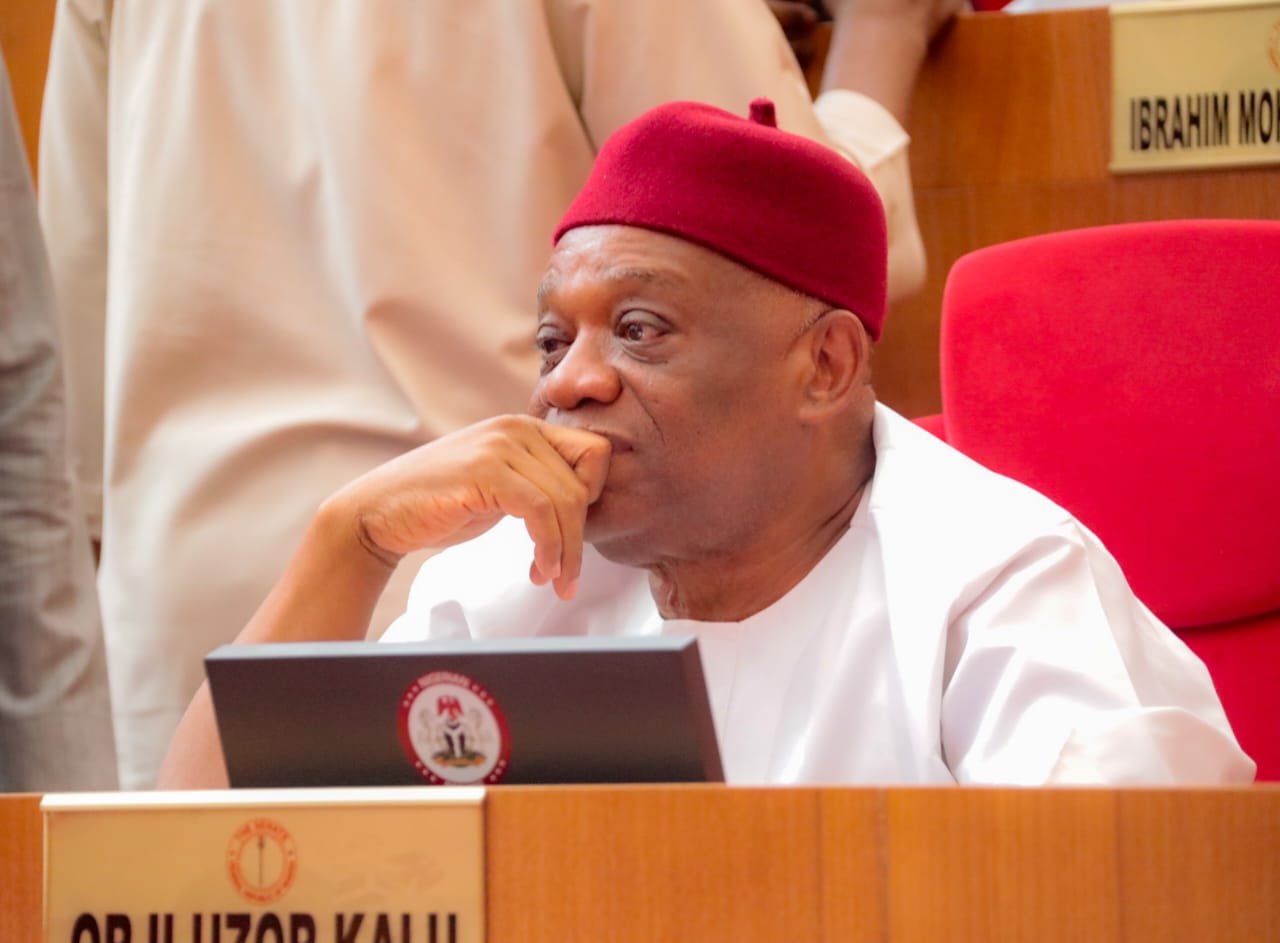
Tinubu reforms criticism has intensified following a response by the National Democratic Coalition to remarks made by Orji Uzor Kalu praising President Bola Ahmed Tinubu’s economic policies. The group challenged the positive assessment of ongoing reforms, citing prevailing economic hardship across the country. The Tinubu reforms criticism reflects growing divisions among political stakeholders over policy outcomes. The debate highlights contrasting views on Nigeria’s economic direction.
Nigeria’s current economic reforms have remained a central topic in public discourse. The policies include fuel subsidy removal and foreign exchange adjustments. These measures were introduced to stabilise public finances and improve long-term economic performance.
However, the reforms have also triggered rising living costs and inflationary pressure. Many households and businesses continue to face increased operational expenses. This has led to mixed reactions from political actors, economists, and civil society groups. Orji Uzor Kalu recently stated that the reforms are yielding results at the macroeconomic level. He argued that the policies are necessary for long-term growth despite short-term challenges.
The Tinubu reforms criticism emerged after the National Democratic Coalition publicly faulted Kalu’s position. The group described his comments as disconnected from the current realities faced by many Nigerians.
According to the coalition, economic hardship remains widespread despite claims of progress. It argued that citizens are yet to feel the benefits of the reforms in their daily lives. The coalition stressed that policy success should be measured by improvements in living standards. It maintained that rising costs of goods and services continue to affect households across urban and rural areas.
The group also urged policymakers to prioritise welfare-focused strategies. It called for reforms that balance fiscal adjustments with social protection measures. The Tinubu reforms criticism reflects broader concerns raised by various stakeholders. Many have called for clearer communication and stronger support systems to cushion reform impacts.
The Tinubu reforms criticism underscores the ongoing debate around economic policy effectiveness. For businesses, policy uncertainty can influence investment decisions and operational planning. Rising costs continue to affect production, pricing, and supply chains. Entrepreneurs and SMEs face pressure from increased input costs and reduced consumer spending power. This environment requires adaptive strategies and cost management to remain competitive.
For policymakers, the situation highlights the need for inclusive economic planning. Balancing reform objectives with social welfare remains critical to sustaining public trust. Urban economies, where cost pressures are most visible, remain sensitive to policy outcomes. Stability in pricing and income levels is essential for maintaining business growth and consumer confidence.