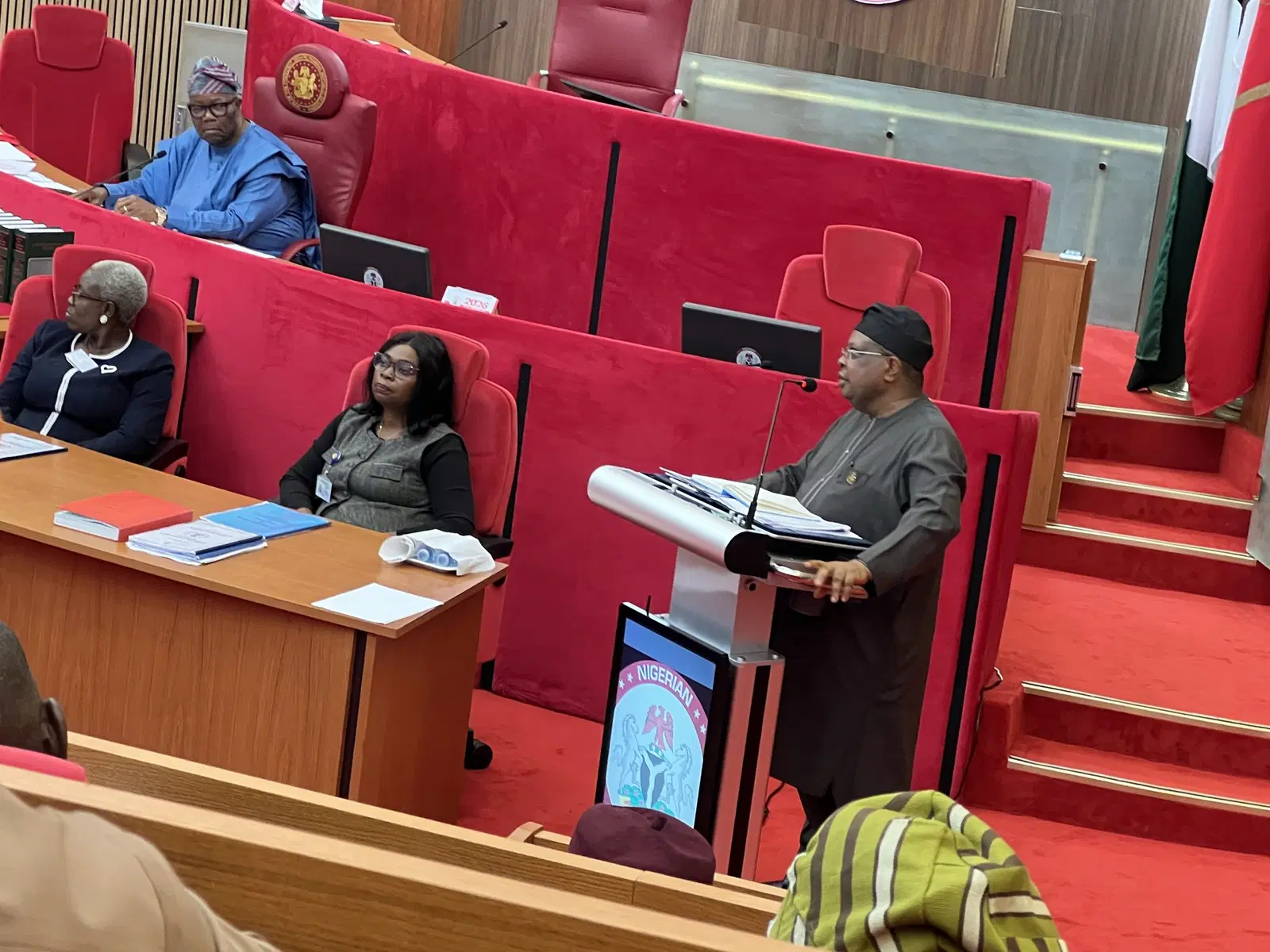
Nigeria’s ongoing power grid reform debate has intensified after Minister-designate for Power, Joseph Olasunkanmi Tegbe, denied claims that he promised to fix the national electricity grid within three months. The clarification came amid heightened public expectations surrounding power grid reform and widespread reporting of his Senate screening remarks. Tegbe insisted that no such commitment was made, stressing that reforms would follow a structured and phased approach based on technical assessments and stakeholder consultations.
The clarification follows comments made during Tegbe’s Senate screening on May 6, 2026. Reports initially suggested he assured lawmakers of a rapid resolution to Nigeria’s electricity challenges within a three-month timeline. However, his media team rejected this interpretation, stating it misrepresented his remarks. The power grid reform discussion has since become central to national discourse on energy stability and economic productivity.
Nigeria’s electricity sector has faced persistent challenges for years. These include frequent grid collapses, weak transmission infrastructure, gas supply constraints, and liquidity pressures across the value chain. Estimates place sector debt at about ₦6 trillion, contributing to operational instability and investor uncertainty.
According to a statement issued by spokesperson Adeola Adelabu, Tegbe never promised immediate restoration of stable electricity within a fixed short-term window. Instead, he explained that reform timelines depend on technical diagnostics and ongoing consultations with sector stakeholders. The statement further emphasized that early stabilisation efforts could begin within his first 100 days in office.
During the Senate screening, Tegbe acknowledged that Nigeria’s electricity problems require disciplined execution rather than political assurances. He stated that while initial improvements are expected early, deeper structural reforms in metering, gas supply, and system efficiency will require longer implementation cycles. Lawmakers were also informed that progress indicators would be presented through measurable milestones under the power grid reform agenda.
The clarification has significant implications for urban businesses and entrepreneurs who depend heavily on electricity supply. Manufacturing firms, tech startups, and small enterprises continue to incur high operational costs due to reliance on generators and alternative power systems. Analysts note that credible power grid reform could reduce production costs, improve competitiveness, and attract foreign investment into Nigeria’s urban economy.
Lawmakers during the screening also raised concerns about entrenched inefficiencies and resistance within the sector. These concerns reflect broader governance challenges affecting energy delivery and infrastructure management. Stakeholders argue that consistent policy execution will be more critical than short-term promises in achieving sustainable power grid reform outcomes.